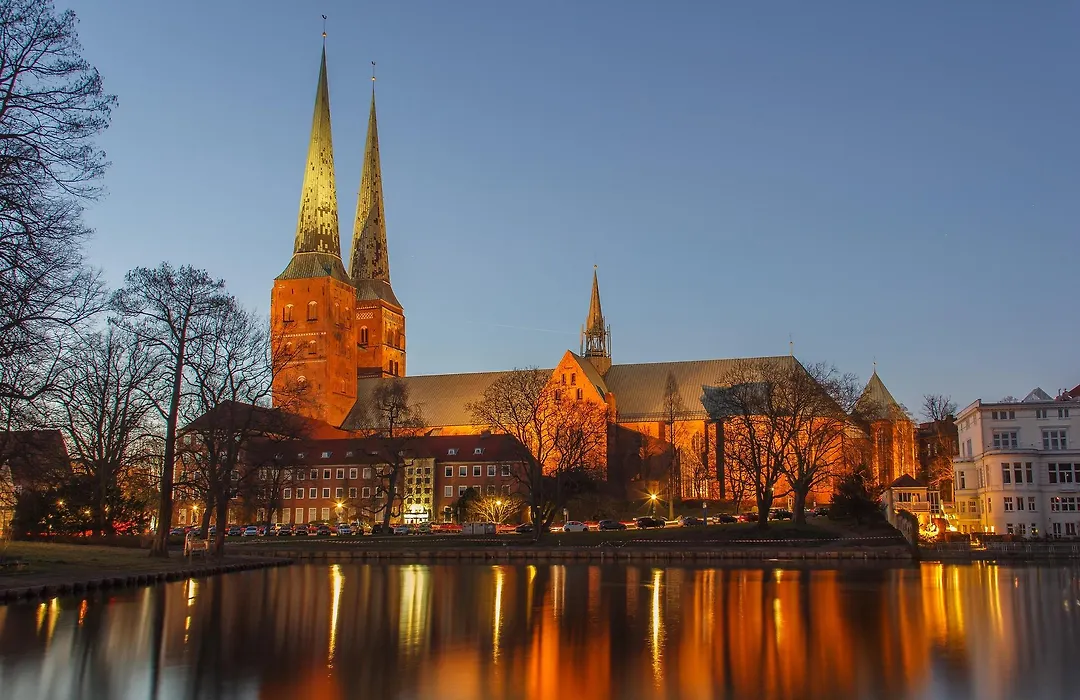
Willy Brandt House: Where History Comes Alive in Lübeck
June 27, 2025

I spent about two hours exploring every corner of Willy Brandt's childhood home, fascinated by the personal artifacts and multimedia exhibits that brought his political journey to life. The museum is conveniently located near Lübeck's historic city center, making it easy to combine with visits to nearby attractions like the Holstentor Gate and the city's historic marketplace.
Step into the birthplace of a political legend where Cold War history comes alive through personal artifacts and untold stories. Discover how one man from a small Lübeck house changed the course of German reunification.
Need-to-Know Info Before Visiting Willy Brandt House
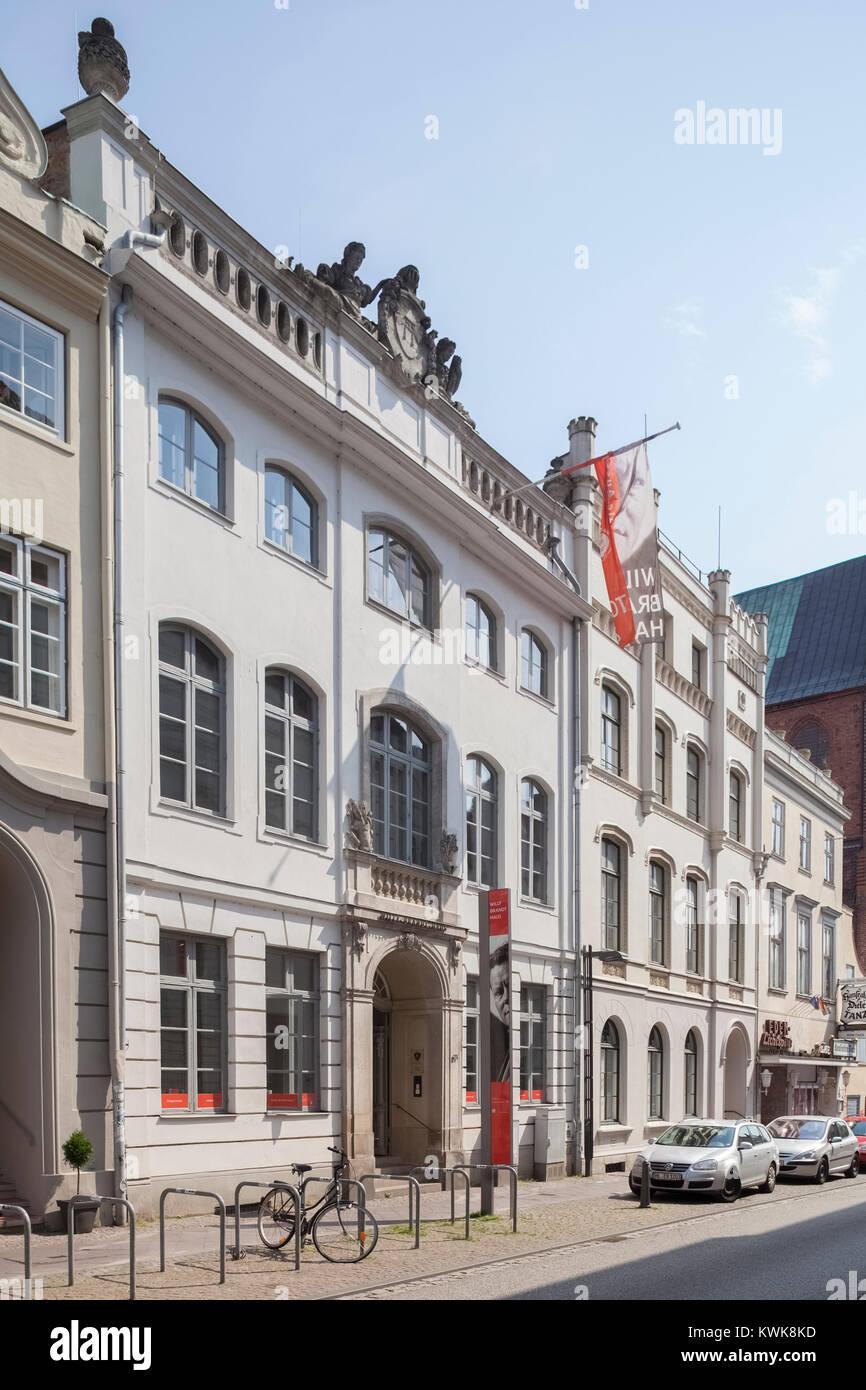
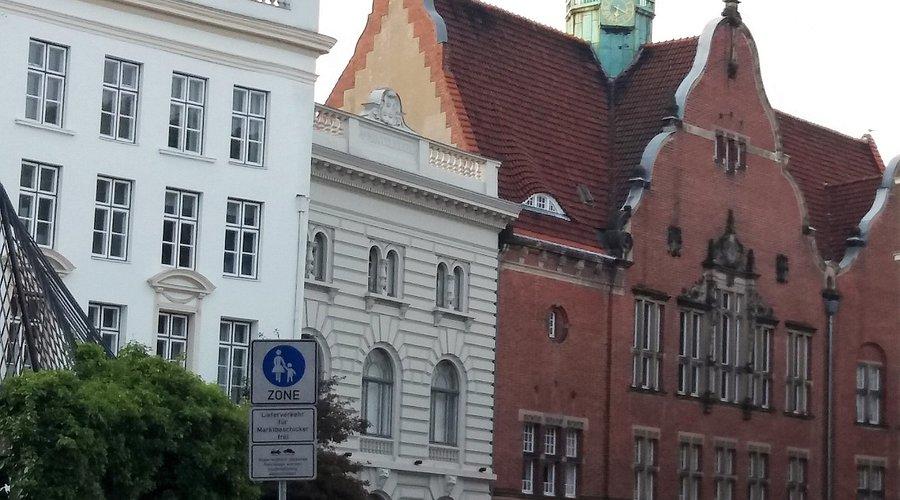
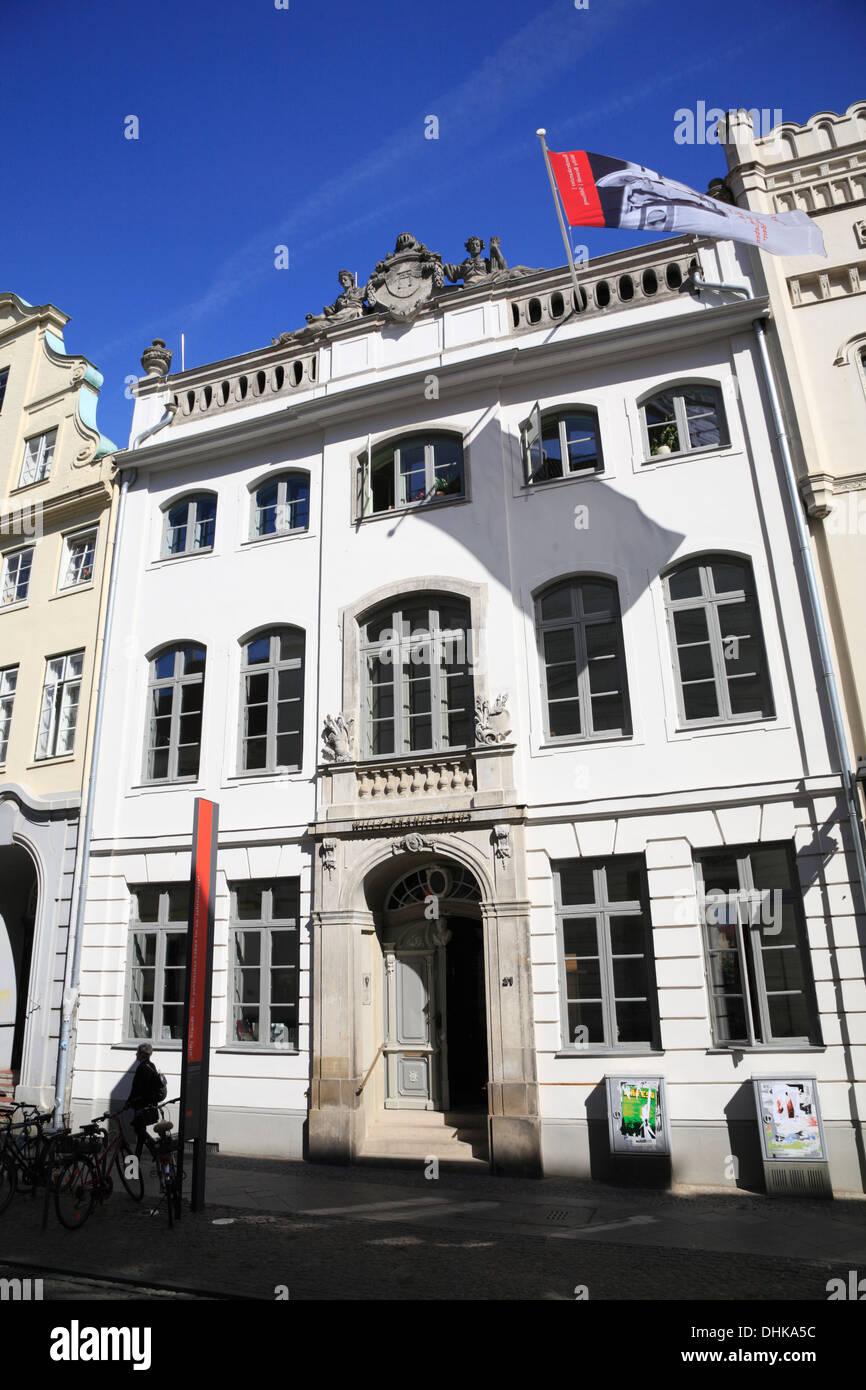
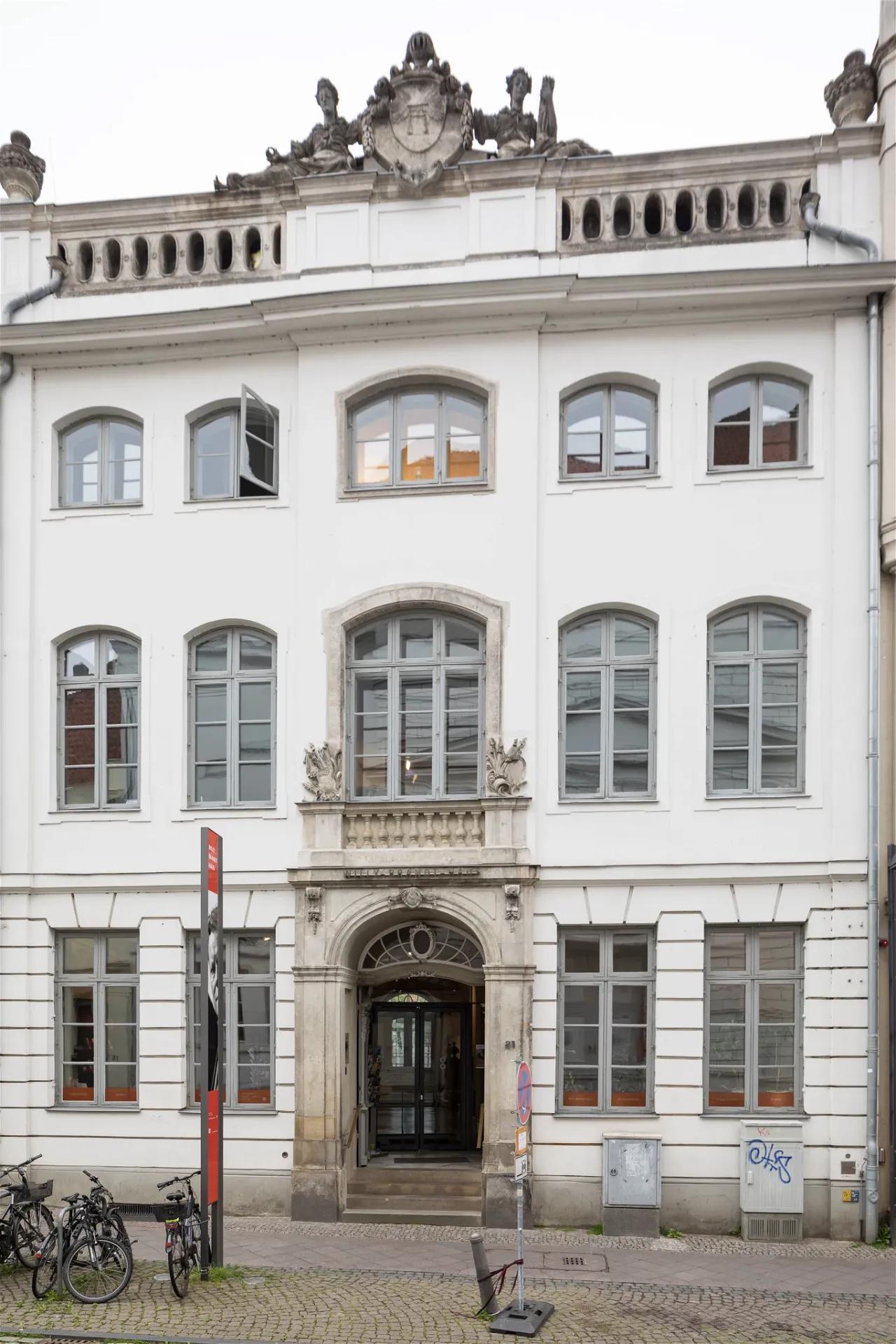
5+
images
Willy Brandt House Address
Willy-Brandt-Straße 12, 23554 Lübeck, Germany
Willy Brandt House Opening Hours
- 🕒 Tuesday-Sunday: 10 AM - 6 PM
- 🕒 Closed on Mondays
- 🕒 Holidays may have modified hours
How to get to Willy Brandt House
- 🚗 By car: Parking available near the museum
- 🚌 Public transport: Bus lines 11 and 12 stop nearby
- 🚕 Rideshare: Uber and local taxi services accessible
What is Willy Brandt House known for?
- Childhood home of Willy Brandt, former West German Chancellor
- Museum documenting Cold War political transformation
- Exhibits highlighting Brandt's Nobel Peace Prize and reconciliation efforts
- Personal artifacts and multimedia displays about German political history
- Authentic representation of Brandt's life from 1913 onwards
What is Willy Brandt House in Lubeck?
Tucked away in the historic streets of Lübeck, the Willy Brandt House transforms a simple childhood home into a powerful window into 20th-century German political history. This compact museum stands as a tribute to one of Germany's most significant post-war political leaders, offering visitors an intimate look at Willy Brandt's journey from a local Lübeck boy to a Nobel Peace Prize-winning chancellor. Tourists seeking to understand Germany's complex Cold War narrative find this museum a critical stop, with multimedia exhibits that bring the political tensions of the 1960s and 1970s to life. The museum attracts history buffs, political science students, and international travelers curious about Germany's reunification process. Located in Brandt's actual birthplace, the museum provides an authentic backdrop to explore his groundbreaking diplomatic efforts, including his famous Warsaw Genuflection and peaceful negotiations between West and East Germany. With English language support and carefully curated displays, the Willy Brandt House bridges personal history with national transformation, making Cold War politics accessible and engaging for international visitors.
Top things to do at Willy Brandt House
- Explore the multimedia exhibit detailing Brandt's historic Warsaw Genuflection, a powerful moment of German-Polish reconciliation
- View original personal documents and political correspondence from Brandt's chancellorship during the Cold War era
- Watch rare video footage tracking Brandt's political journey from local Lübeck politician to Nobel Peace Prize winner
- Follow the interactive timeline showcasing key moments of German political reunification and Brandt's diplomatic breakthroughs
- Examine personal artifacts from Brandt's childhood home, including photographs, clothing, and early political memorabilia
- Participate in the hourly guided tour available in German and English, offering in-depth insights into Brandt's political legacy
Tickets and Prices
Entry to the Willy Brandt House is affordable for most travelers. Standard adult tickets cost around 6-8 euros, with reduced rates for students, seniors, and children. Group discounts are available for parties of 10 or more. Tickets can be purchased online in advance or directly at the museum entrance. Consider buying a combined ticket with other Lübeck historical museums to save money.
History of Willy Brandt House
- 1913: Willy Brandt born in this house in Lübeck
- 1969: Brandt becomes Chancellor of West Germany
- 1970: Brandt's historic Warsaw Genuflection symbolizes German-Polish reconciliation
- 1971: Awarded Nobel Peace Prize for his diplomatic efforts
- 1990: German reunification fulfills many of Brandt's political goals
- 2013: House converted into a museum commemorating Brandt's life and political legacy
Cultural Significance
The Willy Brandt House represents more than a museum - it's a testament to Germany's post-war political transformation. Brandt symbolized hope during the Cold War, pioneering diplomatic relations between West and East Germany. His childhood home now serves as a powerful educational space, teaching visitors about peaceful political change and reconciliation.
Tips for Visitors
- Allow 1-2 hours for a comprehensive museum visit
- Free audio guides available in multiple languages
- Photography is permitted in most exhibit areas
- Wheelchair accessible with elevator between floors
- Small café on-site for light refreshments
- Best to visit on weekday mornings to avoid crowds
What are some interesting facts about Willy Brandt House?
- Brandt's childhood bedroom remains almost exactly as it was when he lived here in the early 1900s, with original furniture and personal artifacts
- The museum contains a rare collection of Brandt's personal correspondence, including secret diplomatic letters never publicly displayed before
- Local Lübeck residents helped collect and donate many of the museum's most intimate artifacts, making it a true community-driven historical project