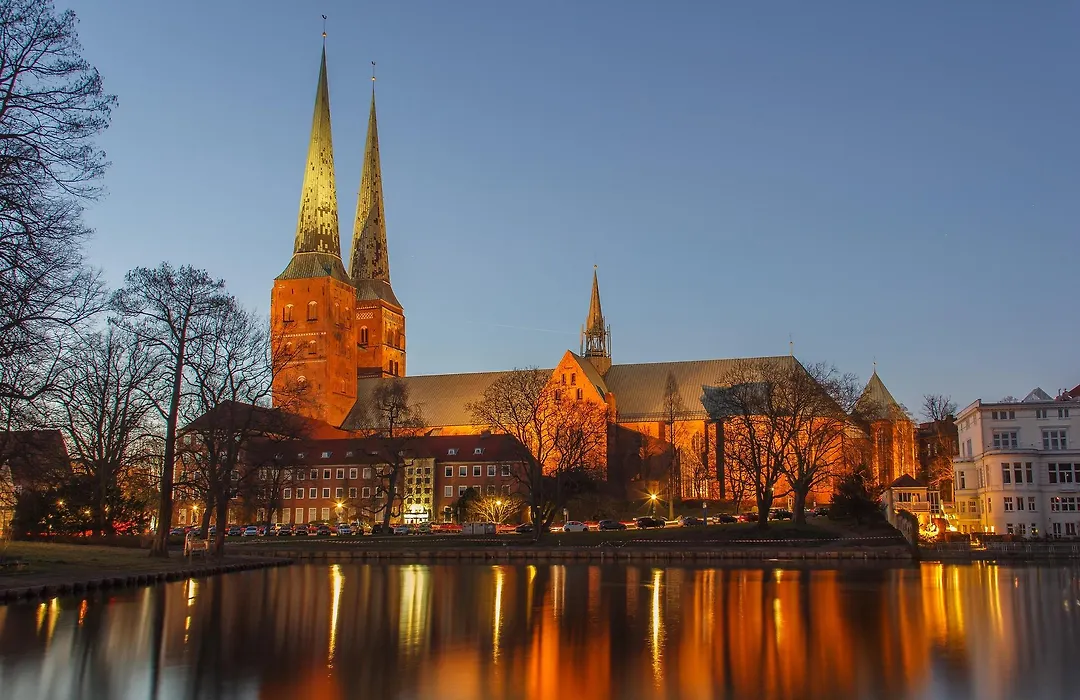
St. Petri zu Lubeck: A Must-See Lutheran Landmark
June 16, 2025

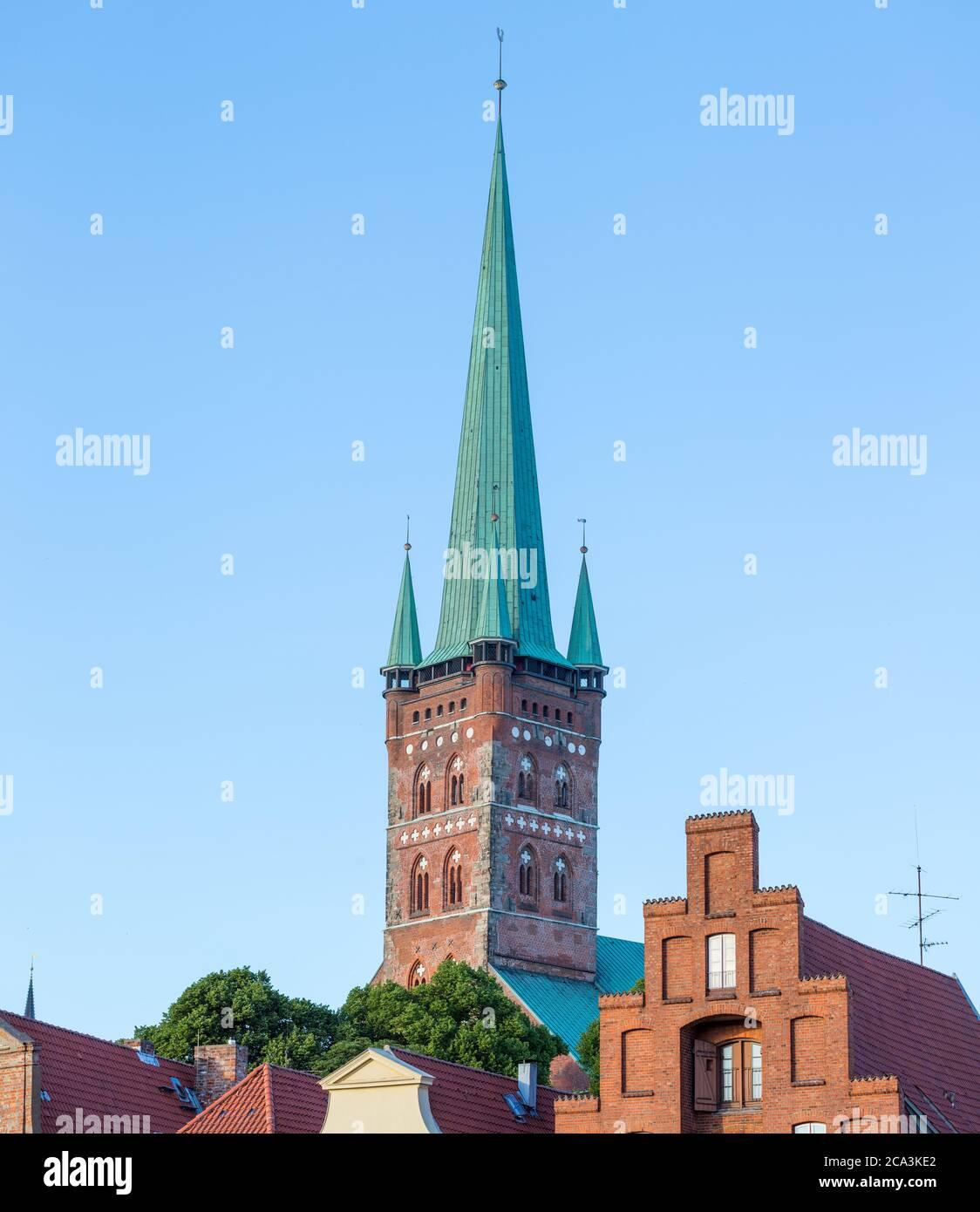
I spent nearly two hours exploring St. Petri zu Lubeck, fascinated by its incredible Gothic architecture and the way it survived World War II bombing. The church's tower offers an incredible view of Lübeck's historic Old Town, and the interior's medieval artifacts make you feel like you've stepped back in time.
Standing as a silent witness to Lübeck's medieval past, St. Petri zu Lubeck holds secrets of centuries-old Hanseatic trade and survival. Discover the church that survived war and time, telling stories etched in stone and stained glass.
Need-to-Know Info Before Visiting St. Petri zu Lubeck


4+
images
St. Petri zu Lubeck Address
Am Markt 1, 23552 Lübeck, Germany
St. Petri zu Lubeck Opening Hours
- 🕒 Monday-Saturday: 10 AM - 5 PM
- 🕒 Sunday: 12 PM - 4 PM
- 🕒 Closed on major German holidays
How to get to St. Petri zu Lubeck
- 🚗 By car: Parking available near Marktplatz
- 🚌 Public transport: Bus lines 3, 8, 9 stop nearby
- 🚕 Rideshare: Uber and local taxi services available
What is St. Petri zu Lubeck known for?
- One of the five main Lutheran churches in historic Lübeck's Old Town
- Features stunning Gothic architectural elements from the 13th century
- Survived significant World War II bombing, symbolizing city's resilience
- Houses remarkable medieval altar and intricate stone sculptures
- Part of UNESCO World Heritage Site representing Hanseatic League trading history
What is St. Petri zu Lubeck in Lubeck?
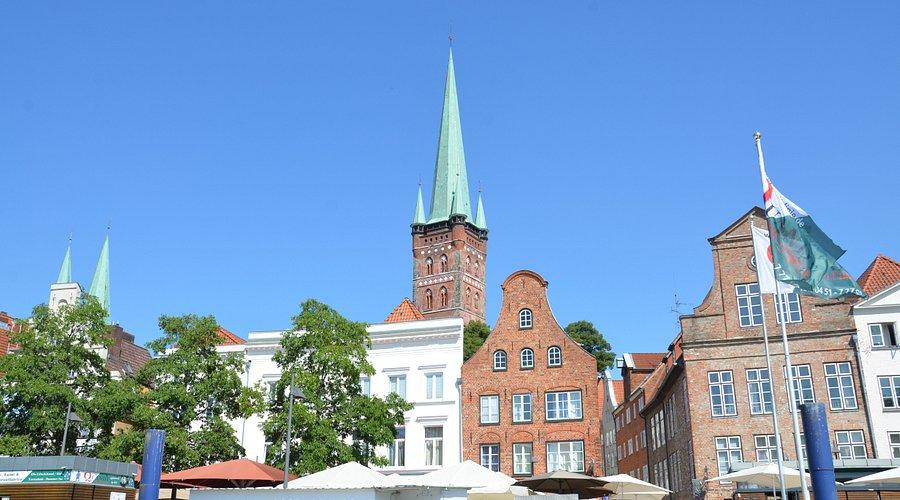
St. Petri zu Lubeck stands as a cornerstone of religious and architectural heritage in northern Germany's historic Hanseatic city. Located in the heart of Lübeck's Old Town, this Lutheran church attracts thousands of history buffs and architecture enthusiasts each year. Travelers will find this landmark more than just another church - it's a living testament to medieval German architectural prowess and religious history. Standing at an impressive height with Gothic spires piercing the skyline, St. Petri represents one of the five main churches that define Lübeck's historic urban landscape. Tourists often gravitate to its stone exterior and intricate architectural details, with peak visitor times during summer months when walking tours sweep through the city. Photography enthusiasts frequently capture its stunning facade, which survived significant World War II bombing and represents the city's remarkable resilience. The church sits within walking distance of other UNESCO World Heritage Site landmarks, making it a strategic stop for travelers exploring Lübeck's rich cultural corridor. While not as massive as some European cathedrals, St. Petri zu Lubeck delivers an authentic slice of northern German religious and architectural heritage that connects visitors directly to centuries of local history.
Top things to do at St. Petri zu Lubeck
- Climb the church tower for panoramic views of Lübeck's historic Old Town, offering a breathtaking perspective of the city's medieval layout
- Examine the intricate Gothic altar, featuring detailed medieval wood carvings depicting biblical scenes from the 15th century
- Join the free weekday guided tours that explore the church's architectural history and explain its survival through World War II bombing
- Visit the church's memorial chapel, which commemorates local residents who perished during World War II and documents the city's post-war reconstruction
- Attend the weekly organ concert series featuring classical and baroque music performances on the historic church organ
- Explore the church's underground crypt, which contains fascinating archaeological artifacts and remnants from earlier church structures dating back to the 13th century
History of St. Petri zu Lubeck
- 1180: First recorded mention of a church on this site in medieval Lübeck
- 1263: Construction of the original Gothic church begins
- 1370: Primary church for the Hanseatic League merchants and traders
- 1665: Major renovation and architectural expansion completed
- 1942: Severely damaged during World War II bombing of Lübeck
- 1953-1960: Comprehensive restoration after war damage
- 1987: Designated as part of the UNESCO World Heritage Site for Lübeck's Old Town
Cultural Significance
St. Petri zu Lubeck represents more than a religious building - it's a symbol of Lübeck's maritime heritage and Protestant identity. As one of the five main churches in the historic city center, it embodies the architectural and cultural resilience of northern Germany. The church stands as a testament to Lübeck's importance during the Hanseatic League era, when the city was a crucial trading hub connecting northern European markets.
Tips for Visitors
- Wear comfortable walking shoes for exploring church interior and tower
- Photography is permitted, but without flash to preserve artifacts
- Check website for potential concert or service schedule before visiting
- Consider purchasing a Lübeck City Card for potential discounts
- Allow at least 1-2 hours for a comprehensive visit
- English audio guides are available for rent at the entrance
Tickets
Entry to St. Petri zu Lubeck is typically free, with optional donation recommended. Tower climb and guided tours have separate fees, ranging from 3-5 euros. Combination tickets with other Lübeck historic sites are available at the local tourist information center.
What are some interesting facts about St. Petri zu Lubeck?
- The church bell tower survived World War II bombings and still contains original medieval bell mechanisms from the 15th century
- St. Petri's underground crypt contains archaeological remnants that reveal Lübeck's earliest urban settlement patterns from the 12th century
- During the Hanseatic League era, merchants would conduct significant trade negotiations inside the church, making it more than just a religious space but a critical economic meeting point