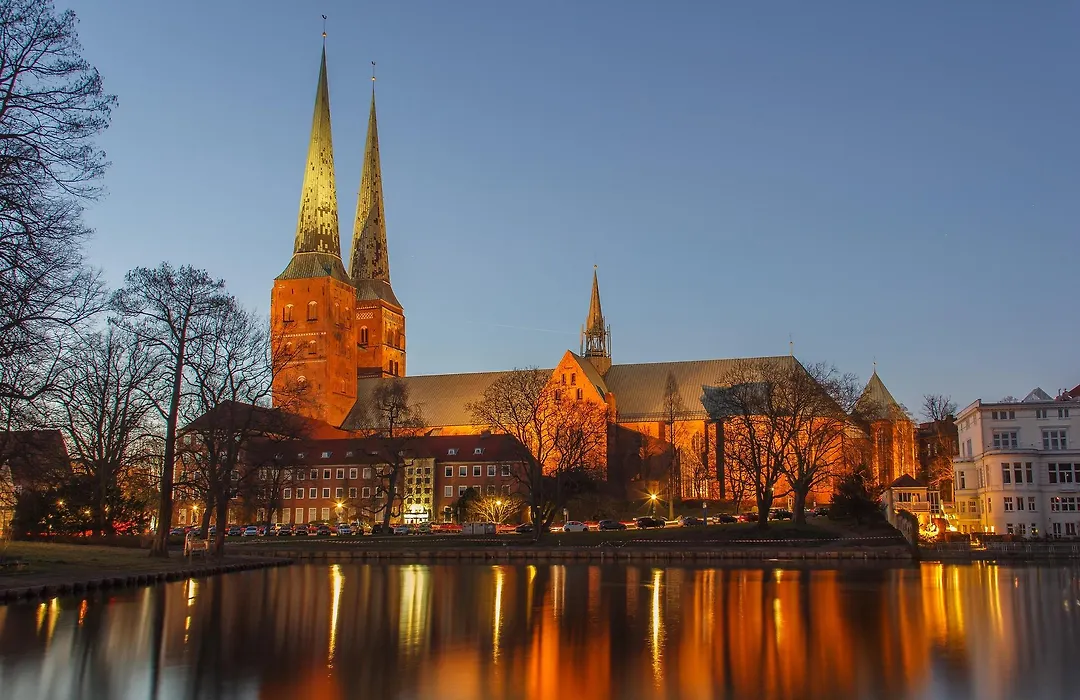
Musee portuaire de Lubeck: Germany's Maritime Heritage Museum
June 15, 2025

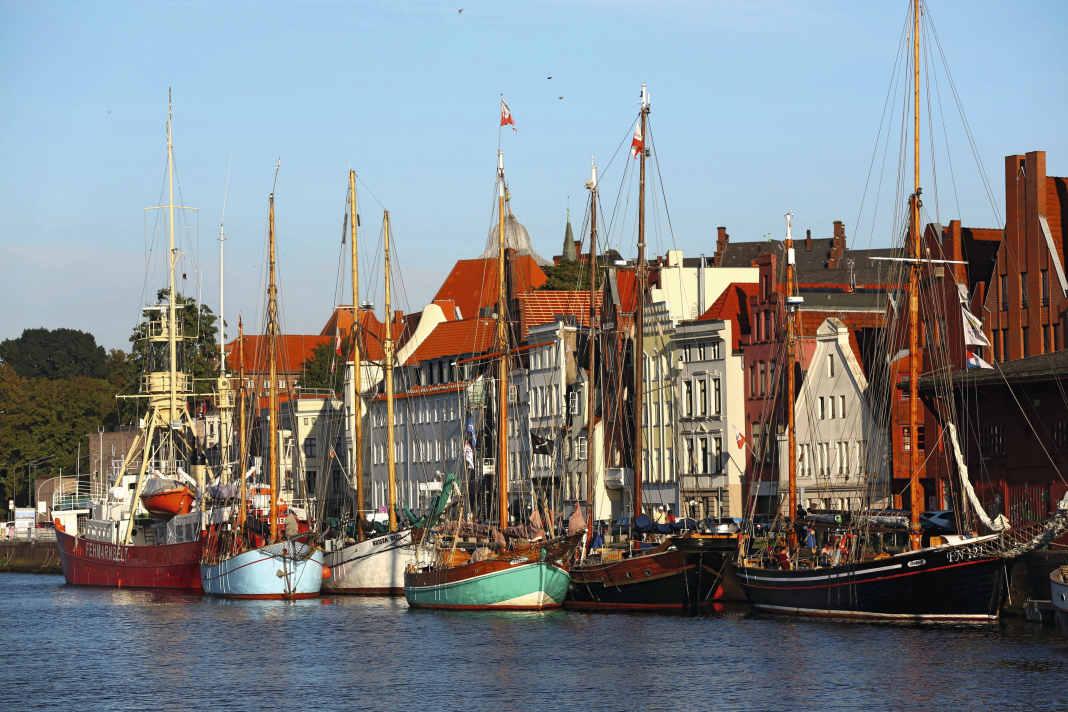
I spent nearly three hours exploring the incredible historic ships at the Maritime Museum, walking the decks and imagining the maritime journeys of German traders. The museum's location right on Lübeck's historic harbor made the experience feel incredibly authentic, with ships positioned exactly where they would have been centuries ago.
Step aboard living maritime history where medieval trading ships tell stories of northern Germany's seafaring past. Discover how Lübeck's sailors transformed global trade through ingenious shipbuilding techniques preserved in this unique open-air museum.
Need-to-Know Info Before Visiting Musee portuaire de Lubeck
4+
images
Musee portuaire de Lubeck Address
An der Untertrave 1, 23552 Lübeck, Germany
Musee portuaire de Lubeck Opening Hours
- 🕒 Summer Season (April-October): Daily 10 AM - 6 PM
- 🕒 Winter Season (November-March): Thursday-Sunday 11 AM - 4 PM
- 🕒 Closed Mondays and Tuesdays during winter
How to get to Musee portuaire de Lubeck
- 🚗 By car: Parking available at Muzeum parking lot
- 🚌 Public transport: Bus lines 6 and 8, stop at 'Untertrave'
- 🚕 Rideshare: Uber and local taxi services available
What is Musee portuaire de Lubeck known for?
- Largest open-air maritime museum in Northern Germany
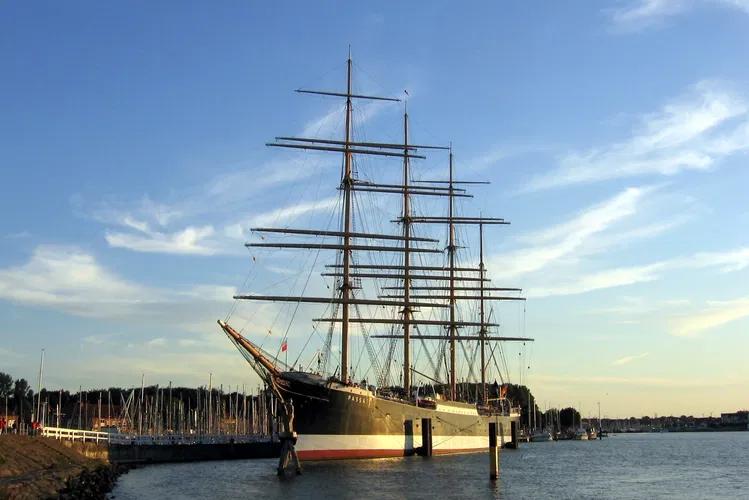
- Features authentic historic ships from 19th and 20th centuries
- Exhibits maritime artifacts and shipbuilding technology
- Located directly on Lübeck's historic harbor waterfront
- Offers guided tours and interactive maritime exhibits
What is Musee portuaire de Lubeck in Lubeck?
Tucked along the historic Trave River in northern Germany, the Maritime Museum of Lübeck stands as a captivating gateway into the city's nautical past. This open-air museum transforms Lübeck's waterfront into a living maritime narrative, where visitors can walk among authentic historic ships that once sailed the North and Baltic Seas. Each vessel tells a story of German maritime trade, shipbuilding, and seafaring culture from the 19th and 20th centuries. Travelers from around the world come to explore meticulously preserved ships like the Hansekogge, a reconstruction of a medieval trading vessel that symbolizes Lübeck's golden age as a key member of the Hanseatic League. The museum attracts roughly 80,000 visitors annually, drawing history buffs, maritime enthusiasts, and curious travelers eager to understand Germany's deep connection to maritime traditions. Unlike traditional indoor museums, this waterfront experience allows guests to climb aboard actual ships, touch wooden decks weathered by ocean winds, and imagine the journeys these vessels once undertook across international waters.
Top things to do at Musee portuaire de Lubeck
- Board and explore the Hansekogge, a full-scale reconstruction of a medieval merchant trading vessel from the Hanseatic League era
- Take a guided tour explaining the maritime history of Lübeck, focusing on shipbuilding techniques and trade routes
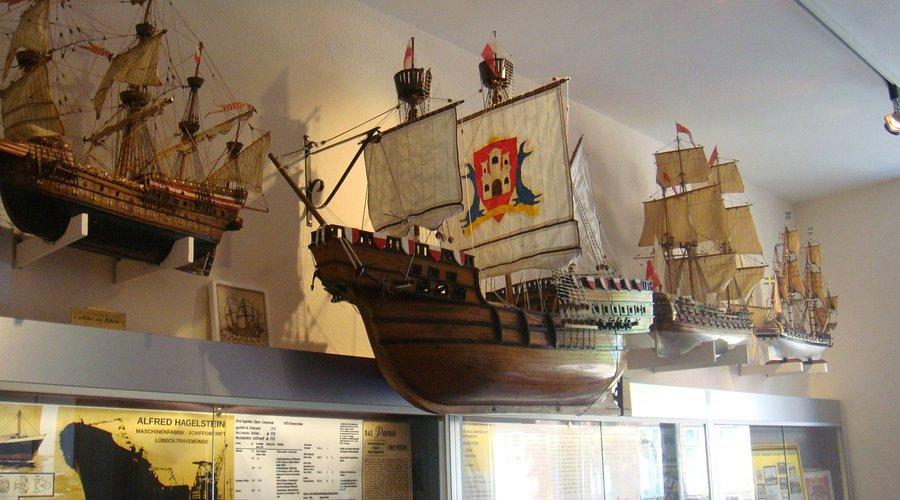
- Examine close-up maritime artifacts like nautical instruments, ship models, and historical navigation equipment in the museum's indoor exhibits
- Watch live boat restoration demonstrations showing traditional wooden shipbuilding methods used by German maritime craftsmen
- Participate in interactive maritime workshops that teach traditional sailor skills like knot tying and basic navigation
- Visit the open-air ship collection along the harbor, which includes vessels from different historical periods representing northern German maritime culture
- Check out the temporary exhibition spaces that rotate displays about maritime trade, naval history, and regional seafaring traditions
Tickets and Pricing
Entry to the Maritime Museum costs 12 euros for adults, with reduced rates for students and seniors at 8 euros. Children under 12 enter free. Online tickets can be purchased through the museum's official website, offering a 10% discount compared to on-site ticket prices. Group discounts are available for parties of 10 or more visitors.
History of Musee portuaire de Lubeck
- 1980: First maritime museum established at Lübeck's historic harbor
- 1990: Major expansion to include full-scale historic ship collections
- 2000: Hansekogge reconstruction added as centerpiece exhibit
- 2010: UNESCO recognition for preserving maritime heritage
- 2015: Complete renovation of indoor exhibition spaces
- 2020: Digital interactive exhibits introduced to modernize museum experience
Tips for Visitors
- Wear comfortable walking shoes for exploring ship decks
- Bring a light jacket, as harbor areas can be windy
- Audio guides available in German and English for 3 euros
- Photography permitted, but no flash allowed inside exhibits
- Plan at least 2-3 hours for full museum exploration
- Wheelchair accessible with ramps on main museum pathways
- Nearby café offers traditional German maritime-themed lunch menu
What are some interesting facts about Musee portuaire de Lubeck?
- The museum's Hansekogge ship replica is so accurate that maritime historians use it as a primary research model for medieval shipbuilding techniques
- Lübeck's maritime museum is located on the exact spot where medieval traders would have unloaded their cargo, offering an authentic historical location
- Some of the wooden ships in the collection are built using traditional methods passed down through generations of German shipwrights, with techniques nearly 500 years old