
Marienkirche: Lübeck's Medieval Gothic Masterpiece
June 19, 2025

I spent about two hours exploring Marienkirche, fascinated by the preserved war-damaged church bells and the unique astronomical clock. The church's architectural details and historical significance made it a memorable stop in Lübeck, especially the external devil sculpture with its intriguing local folklore.
Where war history meets medieval architecture, Marienkirche stands as a haunting testament to Lübeck's resilience. Discover a Gothic church where fallen church bells tell a story more powerful than any museum exhibit.
Need-to-Know Info Before Visiting Marienkirche Church
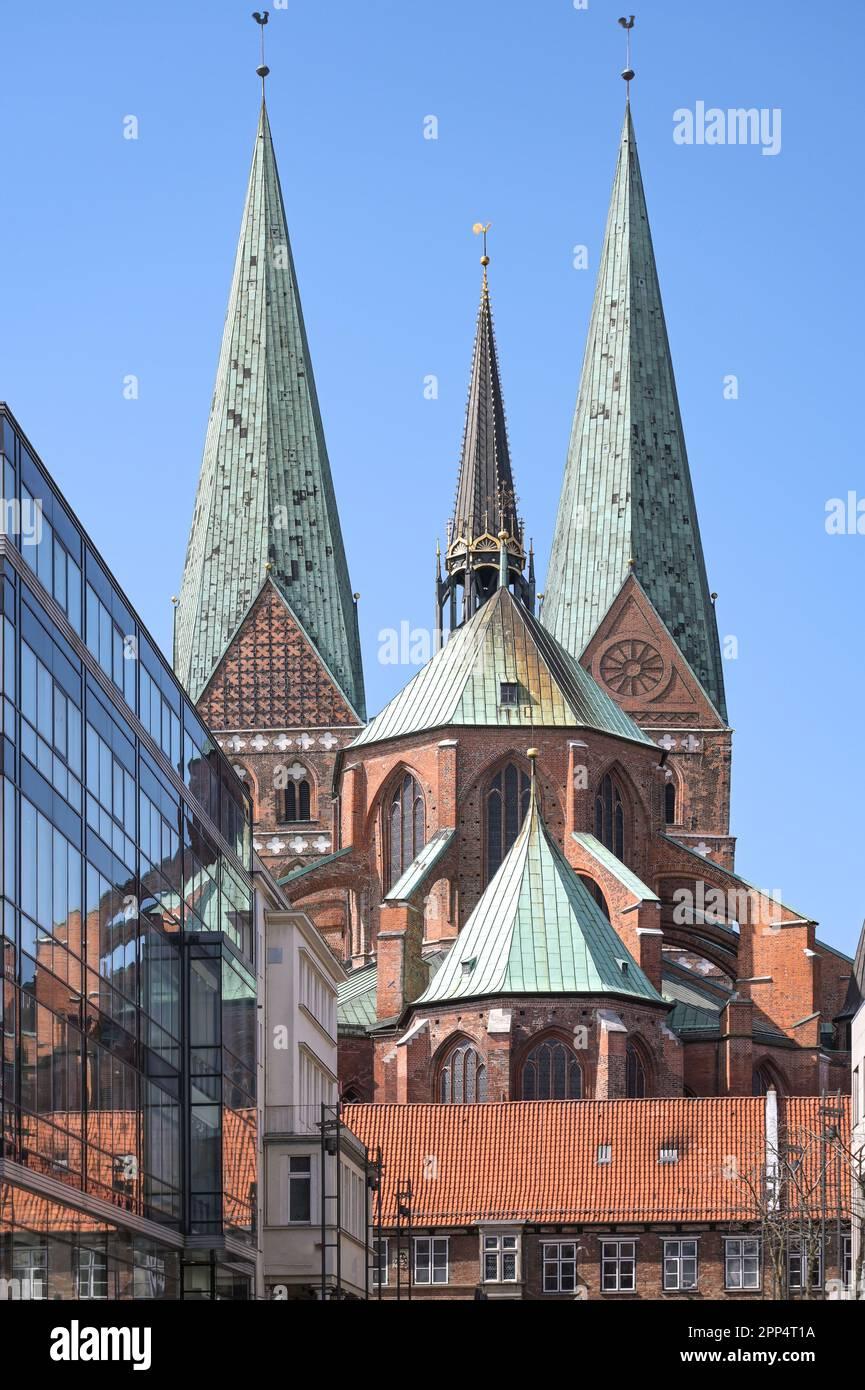


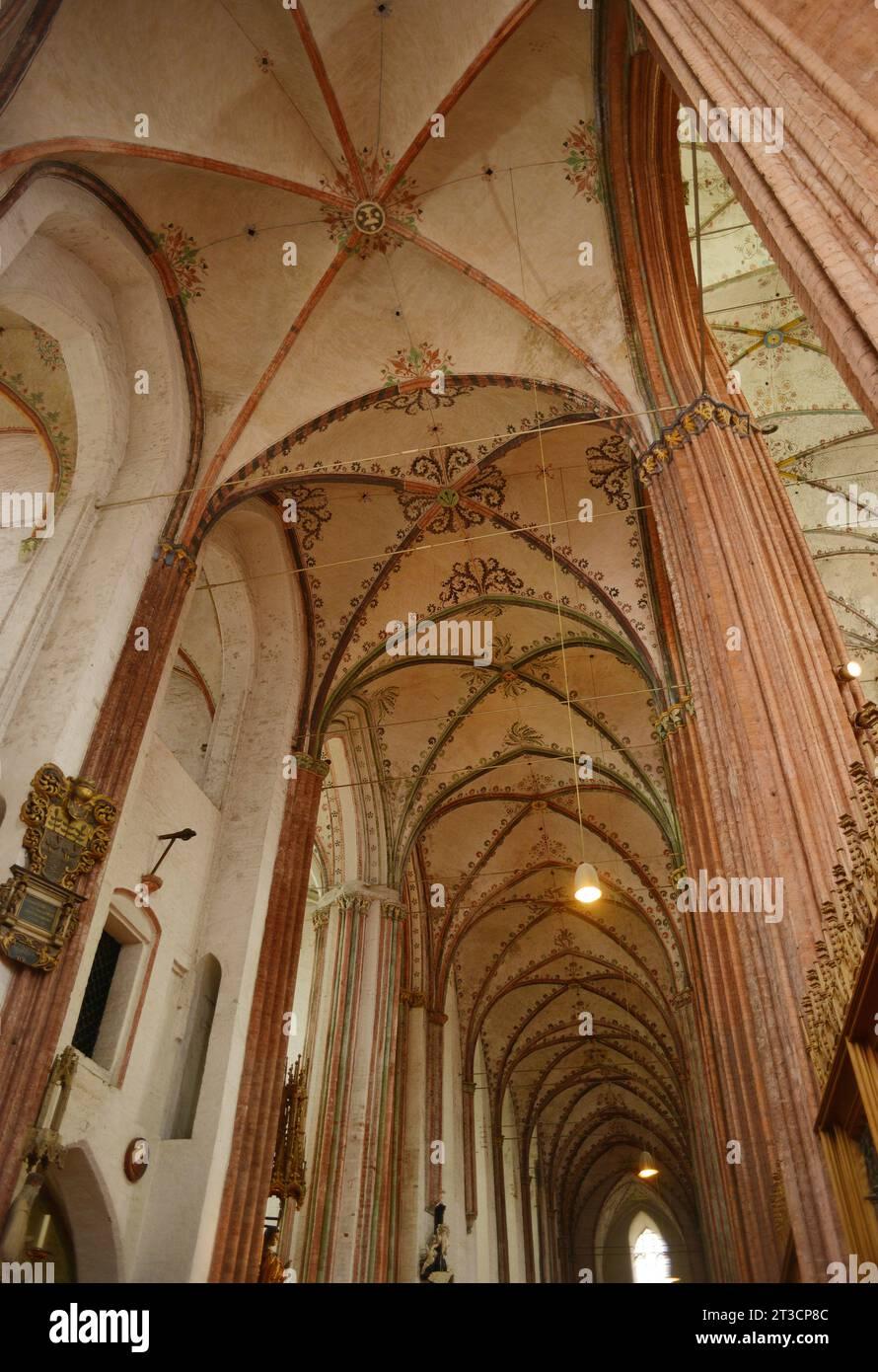
5+
images
Marienkirche church Address
An der Marienkirche 1, 23552 Lübeck, Germany
Marienkirche church Opening Hours
- 🕒 Monday-Saturday: 10:00 AM - 5:00 PM
- 🕒 Sunday: Limited hours (10:00 AM - 11:30 AM closed)
- 🕒 Seasonal variations may apply
How to get to Marienkirche church
- 🚗 By car: Parking available in city center
- 🚌 Public transport: Bus lines 1, 3, 5 stop nearby
- 🚕 Rideshare: Uber and local taxi services accessible
What is Marienkirche church known for?
- Iconic 13th-century Gothic church with world's highest brick-vaulted roof
- WWII memorial site featuring fallen church bells left in place since 1942
- Architectural model for dozens of northern German churches
- Features unique astronomical clock and medieval-inspired glass windows
- Contains intriguing sculptural elements like the local 'little devil' folklore sculpture
What is Marienkirche church in Lubeck?
Marienkirche stands as a powerful testament to Lübeck's architectural and historical resilience, drawing thousands of travelers each year to witness its extraordinary Gothic design. The church isn't just another historical landmark - it's a living museum of architectural survival, marked by its world-record-holding brick-vaulted ceiling and remarkable post-World War II restoration. Tourists flock to examine the fallen church bells from the 1942 bombing raid, now preserved as a haunting memorial, and to marvel at the intricate astronomical clock nestled in the north aisle. The church's modern glass windows, inspired by a medieval Dance of Death mural destroyed during wartime, create a compelling narrative of cultural preservation. With its soaring interior spaces, supported by delicate ribbed pillars and adorned with painted cross-vaulted ceilings, Marienkirche offers visitors a breathtaking glimpse into northern Germany's architectural heritage. The quirky external devil sculpture with its local folk tale adds an unexpected touch of whimsy to this serious historical site, making it a must-stop destination for history buffs, architecture enthusiasts, and curious travelers exploring Lübeck's rich cultural landscape.
Top things to do at Marienkirche church
- Examine the fallen church bells from the 1942 RAF bombing raid, now preserved as a powerful war memorial
- Study the intricate astronomical clock located in the north aisle of the church
- Appreciate the modern glass windows inspired by the medieval Dance of Death mural
- Discover the local folklore surrounding the quirky external devil sculpture
- Crane your neck to admire the world's highest brick-vaulted roof with its painted cross-vaulted ceilings
- Photograph the slender, ribbed pillars supporting the impressive Gothic architectural structure
- Learn about the church's historical significance as a model for dozens of northern German churches
History of Marienkirche church
- 13th century: Original Gothic church constructed in Lübeck
- 1942: Heavily damaged during World War II RAF bombing raid
- 1942-1945: Church bells left in place after bombing as a war memorial
- Post-WWII: Extensive reconstruction and restoration efforts
- Late 20th century: Preservation of war-damaged elements as historical testament
Cultural Significance
Marienkirche represents more than a religious structure - it's a powerful symbol of Lübeck's resilience and historical memory. The preserved fallen church bells from the 1942 bombing serve as a poignant reminder of the city's wartime experiences, transforming the church into a living memorial. Its architectural design influenced dozens of churches across northern Germany, making it a critical landmark in regional ecclesiastical architecture.
Tips for Visitors
- Bring a camera to capture the world's highest brick-vaulted roof
- Allow at least 1-2 hours for a comprehensive visit
- Check Sunday hours, as church is closed from 10am to 11:30am
- Look for the external devil sculpture with its local folklore story
- Take time to examine the astronomical clock in the north aisle
- Wear comfortable walking shoes for exploring interior spaces
What are some interesting facts about Marienkirche church?
- Local legend claims the little devil sculpture outside the church has a secret folk tale that changes depending on who tells the story
- The fallen church bells from the 1942 bombing raid are so precisely positioned that they've become an intentional war memorial art installation
- Architects from across northern Germany have studied Marienkirche's unique brick-vaulted ceiling as a masterclass in medieval gothic construction techniques