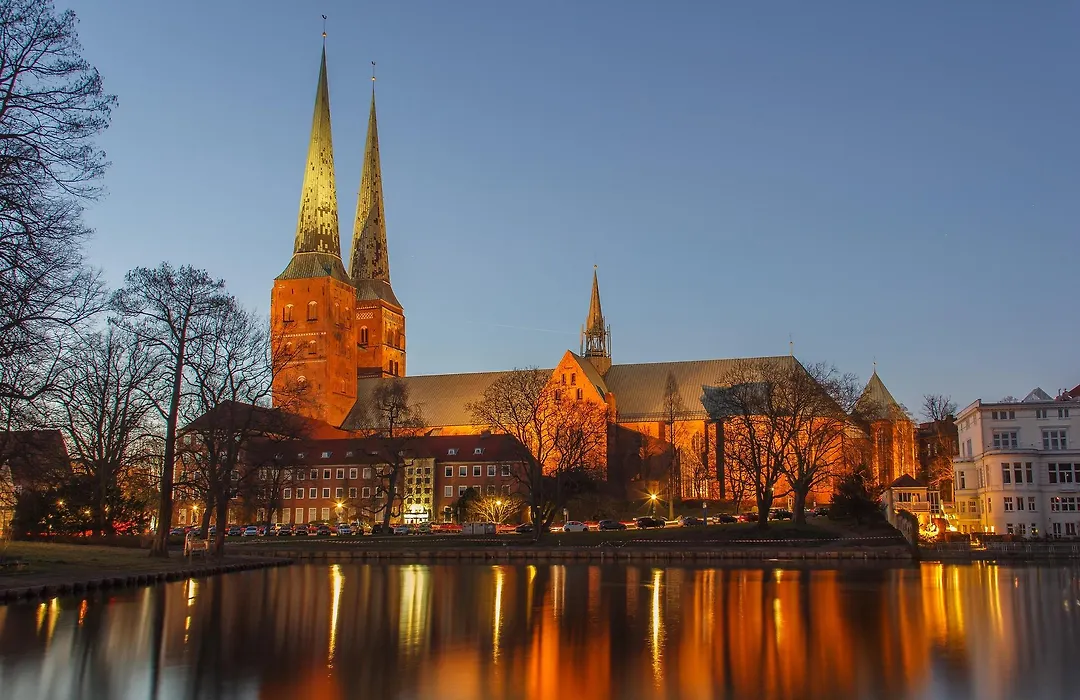
Discover Lübeck Cathedral: A Gothic Architectural Gem
June 16, 2025

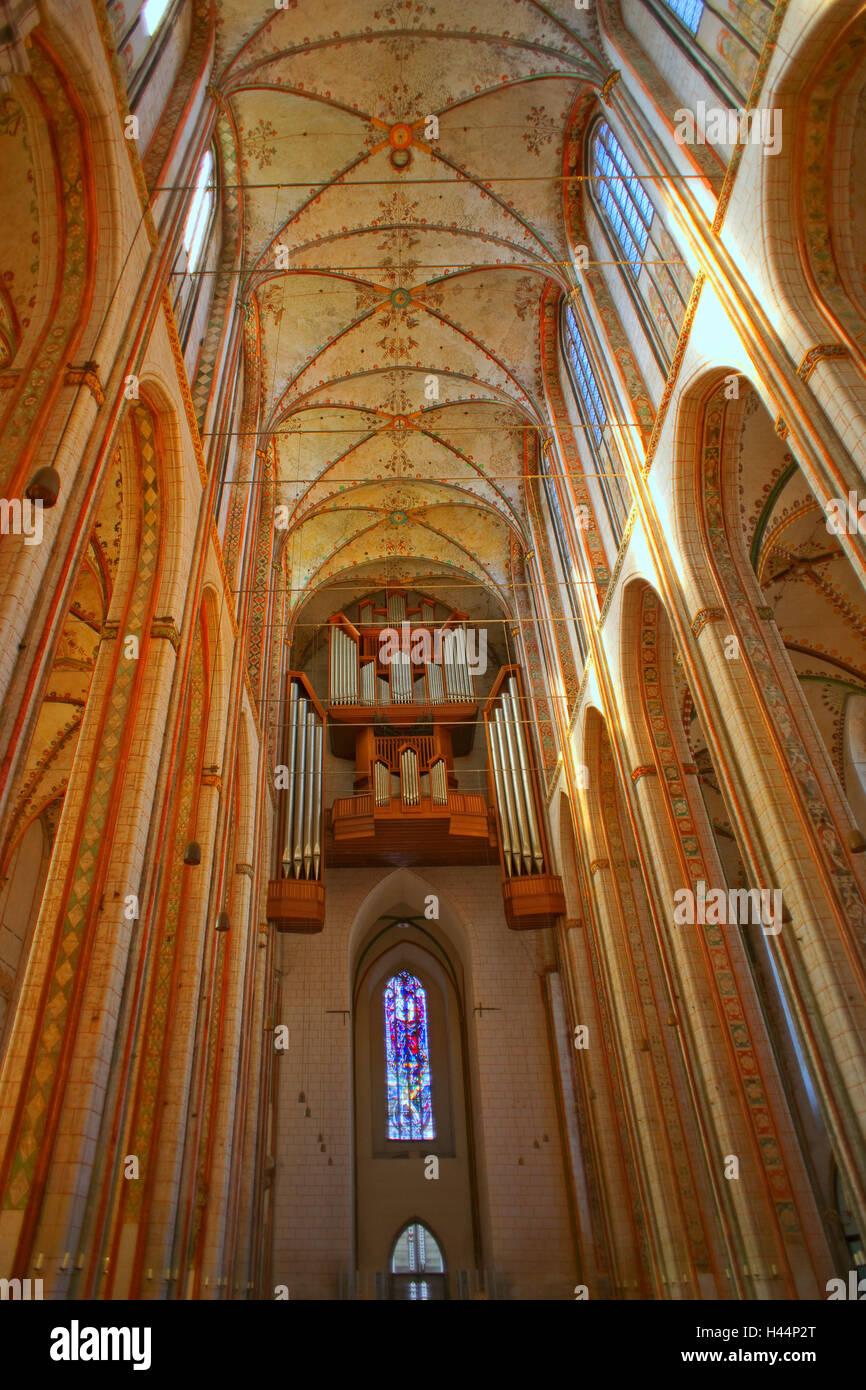
I spent about two hours exploring the Lubeck Cathedral, fascinated by its resilient history and the surviving artworks that weathered World War II. The cathedral's twin Gothic spires and the thoughtful reconstruction make it a compelling stop in Lübeck, especially for those interested in architectural and historical narratives.
Where streets named Hell and Purgatory lead to Paradise, Lubeck Cathedral stands as a testament to survival and architectural rebirth. Discover how this medieval Lutheran landmark rose from the ashes of World War II, preserving centuries of German architectural and cultural heritage.
Need-to-Know Info Before Visiting Lübeck Cathedral
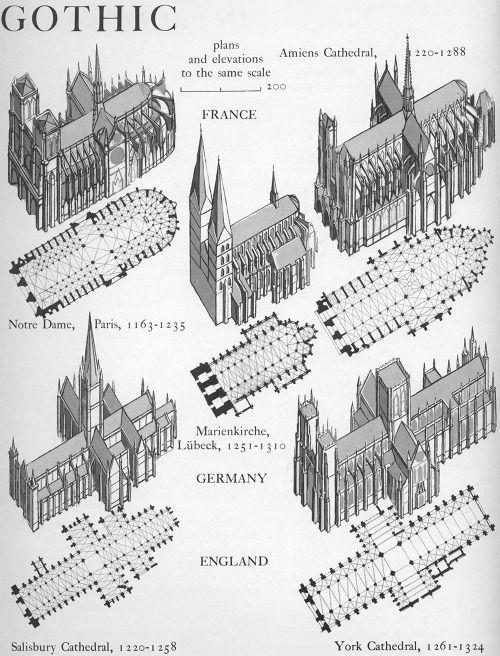
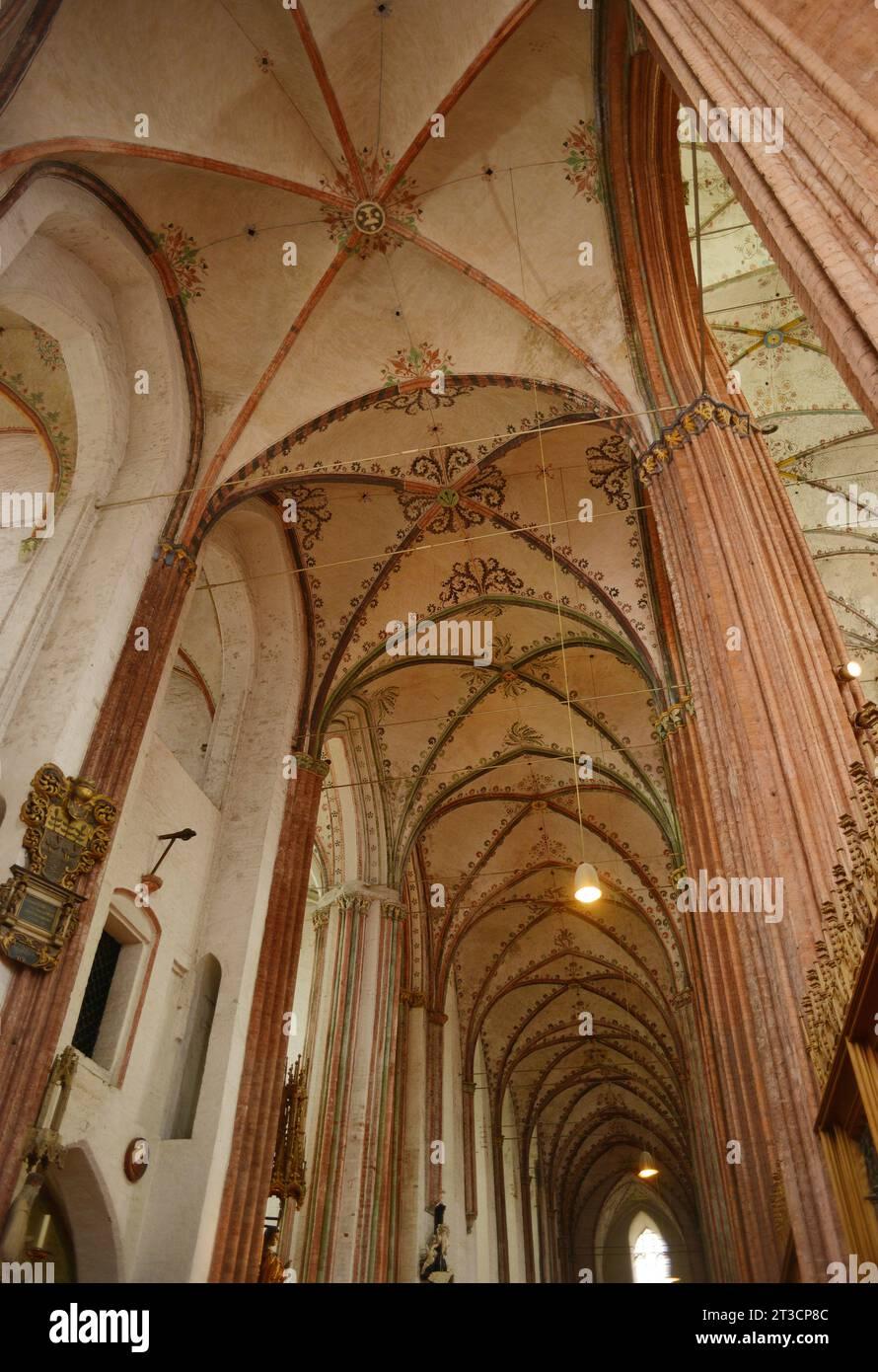
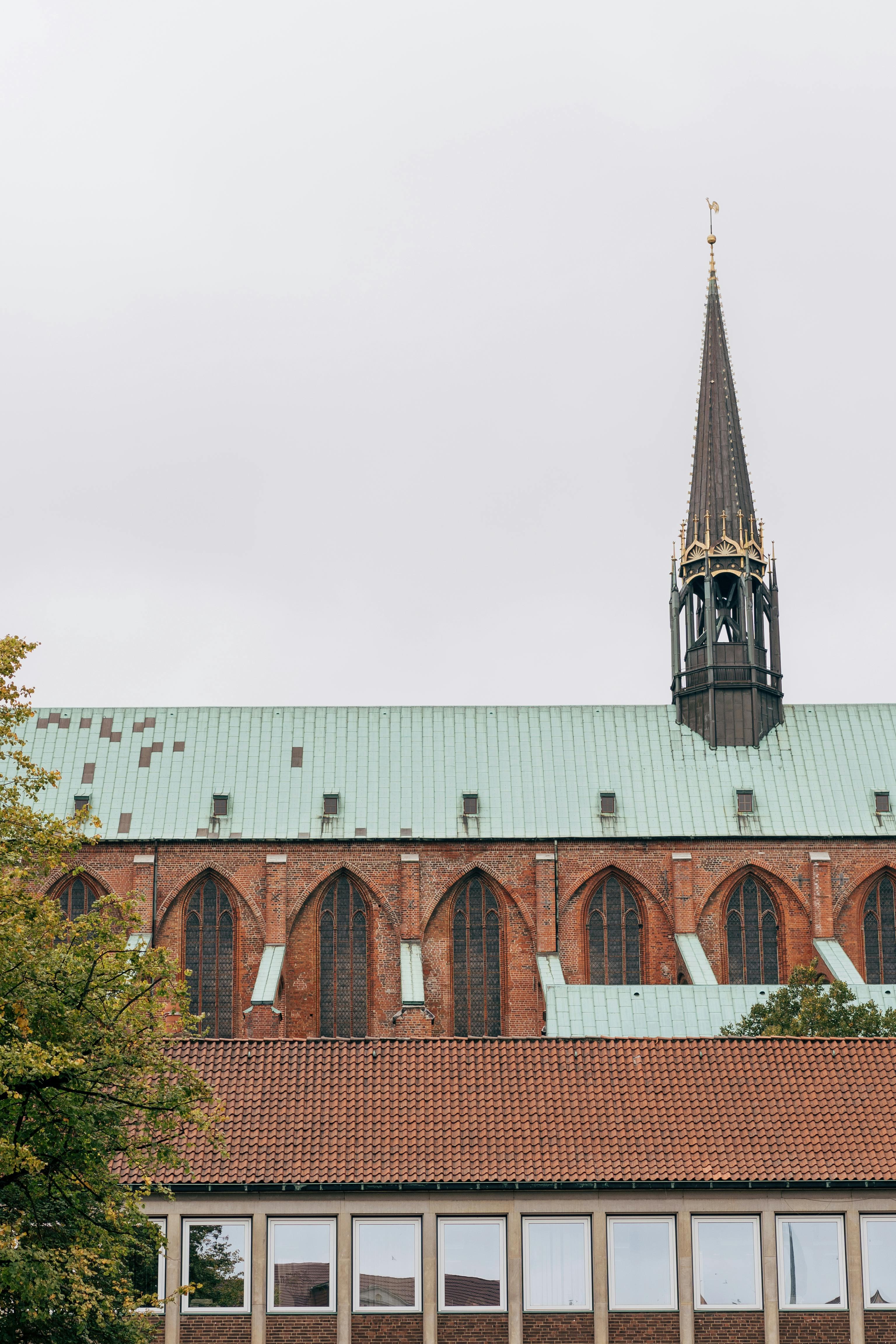
5+
images
Lübeck Cathedral Address
Domstraße 4, 23552 Lübeck, Germany
Lübeck Cathedral Opening Hours
- 🕒 Monday-Saturday: 10 AM - 5 PM
- 🕒 Sunday: 12 PM - 4 PM
- 🕒 Closed on major German holidays
How to get to Lübeck Cathedral
- 🚗 By car: Parking available near Domstraße
- 🚌 Public transport: Bus lines 3 and 5, stop at Dom/Marienkirche
- 🚕 Rideshare: Uber and local taxi services available
What is Lübeck Cathedral known for?
- Founded in 1173 by Heinrich der Löwe as a significant medieval religious site
- Survived World War II bombing and meticulously reconstructed in 1982
- Contains historic artworks by Bernt Notke and Thomas Quellinus
- Features distinctive twin Gothic spires symbolizing Lutheran architectural tradition
- Part of the UNESCO World Heritage Site in Lübeck
What is Lubeck Cathedral in Lubeck?
Lubeck Cathedral stands as a testament to German architectural resilience and Lutheran heritage, drawing history buffs and architecture enthusiasts from across Europe. Located in the historic city center, this brick Gothic landmark attracts thousands of visitors annually who want to explore its remarkable reconstruction story. The cathedral's twin spires dominate the Lübeck skyline, serving as a powerful reminder of the city's medieval past and survival through World War II. Tourists can explore the interior, which features carefully preserved historical displays documenting the cathedral's 1942 bombing and subsequent restoration. Photography enthusiasts particularly appreciate the cathedral's exterior, with its symmetrical Gothic design and detailed brickwork characteristic of northern German ecclesiastical architecture. Local guides often share the playful local joke about approaching the cathedral through streets named Hölle (hell), Fegefeuer (purgatory), and Paradies (paradise), adding a touch of local humor to the historical narrative. While the interior remains relatively spartan, the cathedral offers visitors a profound connection to Lübeck's architectural and religious history, making it a key stop for travelers interested in understanding Germany's cultural heritage.
Top things to do at Lubeck Cathedral
- Explore the historical displays documenting the cathedral's reconstruction after the 1942 World War II bombing
- Climb the cathedral's twin Gothic spires for panoramic views of Lübeck's historic city center
- Photograph the intricate brick Gothic architectural details of the Lutheran cathedral's exterior
- Visit the churchyard to see the Lutheran Memorial Beech Tree, planted during the cathedral's 700th anniversary in 1873
- Study the surviving artworks by Bernt Notke and Thomas Quellinus, which remarkably survived the 1942 bombing raid
- Take a guided tour explaining the cathedral's historical significance and architectural evolution since its founding in 1173
History of Lubeck Cathedral
- 1173: Founded by Heinrich der Löwe (Henry the Lion) as a cathedral for the Bishop of Lübeck
- 1873: Celebrated 700th anniversary by planting a Lutheran Memorial Beech Tree in the churchyard
- 1942: Severely damaged during World War II bombing raid, with the Arp Schnitger organ destroyed by fire
- 1982: Current church reconstruction completed, preserving key historical architectural elements
- Remains part of the Lübeck World Heritage Site, symbolizing the city's resilient architectural heritage
Cultural Significance
Lubeck Cathedral represents more than a religious structure - it's a symbol of German Lutheran identity and architectural resilience. The cathedral embodies the city's ability to rebuild and preserve history, even after significant wartime destruction. Its twin Gothic spires are a landmark that connects modern Lübeck with its medieval roots, attracting both religious pilgrims and architectural enthusiasts from around the world.
Tips for Visitors
- Photography is permitted inside the cathedral, but without flash
- Wear comfortable walking shoes for exploring the interior and potential tower climb
- Consider joining a guided tour to fully understand the cathedral's historical significance
- Check seasonal opening hours, as they might vary during religious holidays
- Bring a light jacket, as the stone interior can be cooler than outside temperatures
- Respectful silence is expected during services and prayer times
What are some interesting facts about Lubeck Cathedral?
- Local folklore suggests that to reach the cathedral, you must symbolically pass through Hölle (hell), Fegefeuer (purgatory), and finally Paradies (paradise) - these are actual street names leading to the cathedral
- The cathedral houses surviving artworks by Bernt Notke and Thomas Quellinus that miraculously remained intact during the 1942 bombing raid
- During its 700th anniversary in 1873, a ceremonial offshoot of the Lutheran Memorial Beech Tree from Thuringia was planted in the cathedral's churchyard, creating a living historical connection