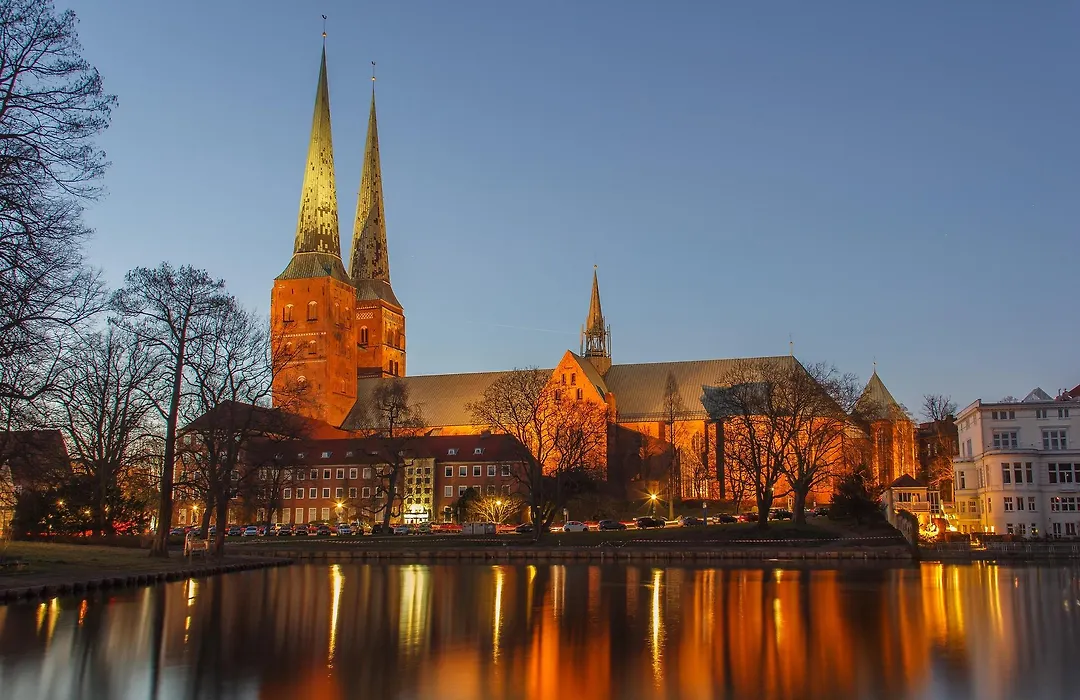
Discover Jakobikirche: Lübeck's Medieval Gothic Treasure
July 23, 2025

I spent about two hours exploring Jakobikirche, fascinated by the 16th-century organ and the intricate Gothic brick architecture. The church is easily accessible from Lübeck's city center, with nearby cafes and historical sites making it perfect for a morning or afternoon visit.
Standing as a testament to medieval German craftsmanship, Jakobikirche holds secrets of centuries past within its red-brick walls. Discover how a 14th-century church survived wars, transformations, and time to become Lübeck's most compelling architectural storyteller.
Need-to-Know Info Before Visiting Jakobikirche church
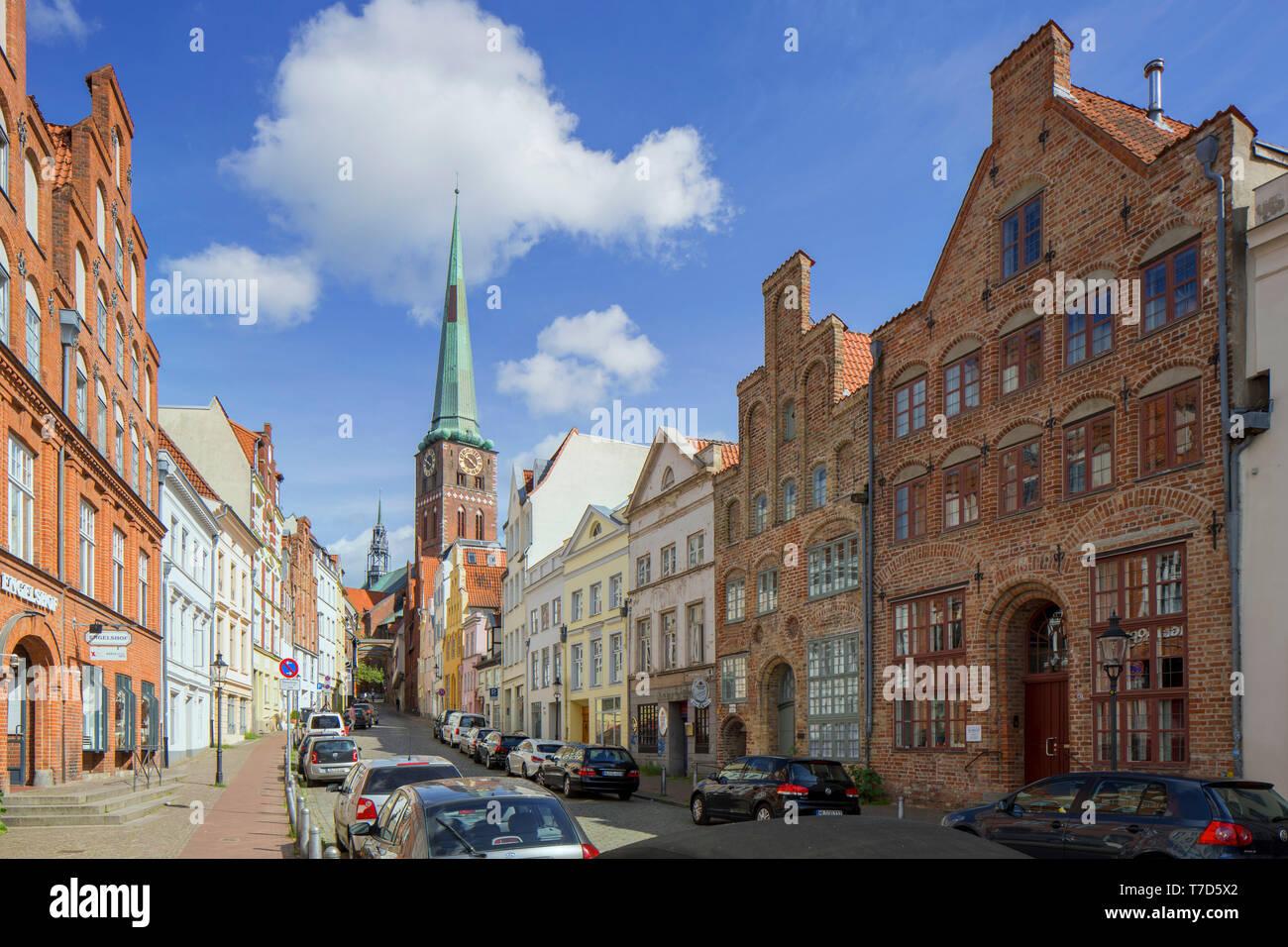
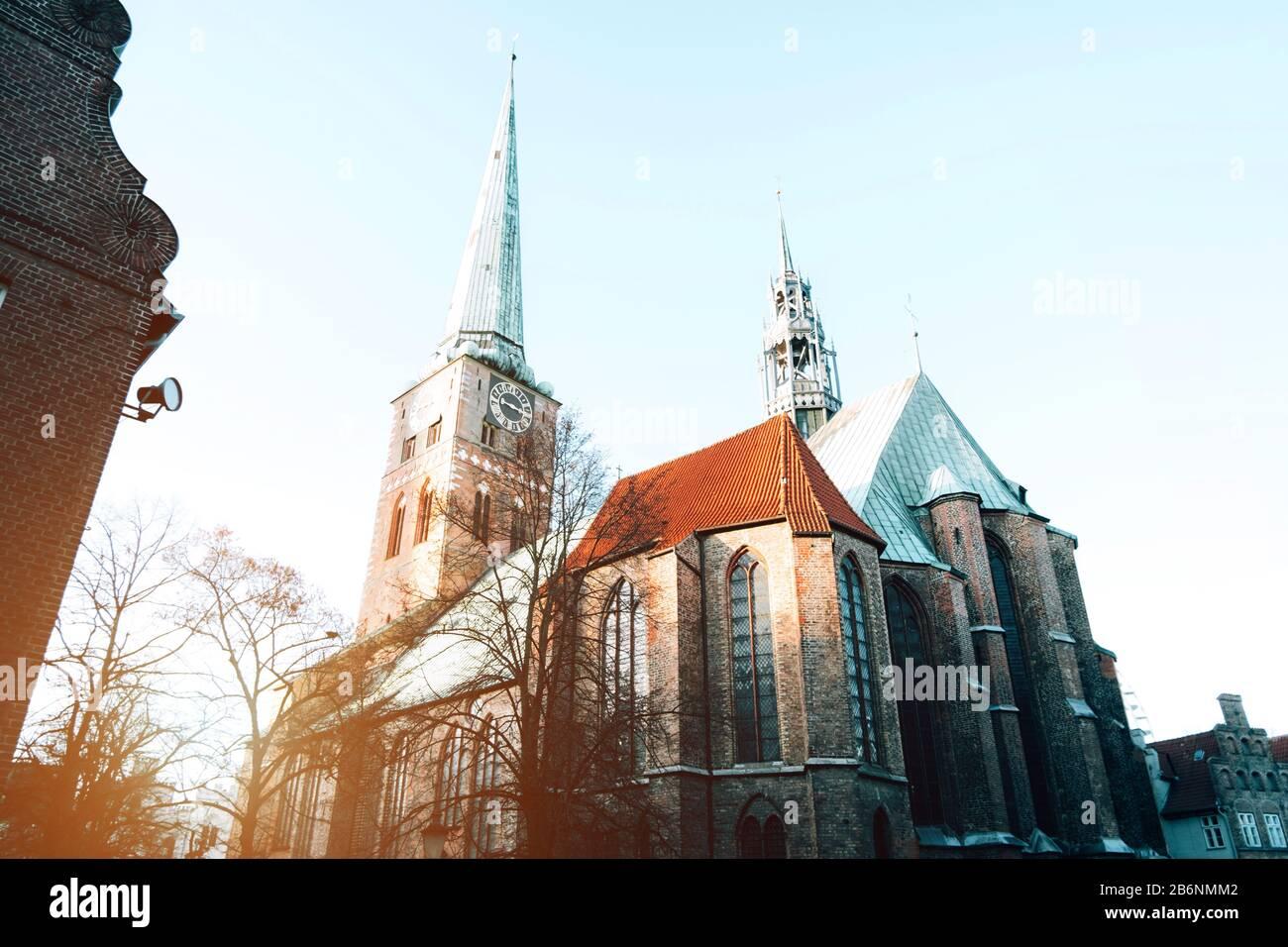
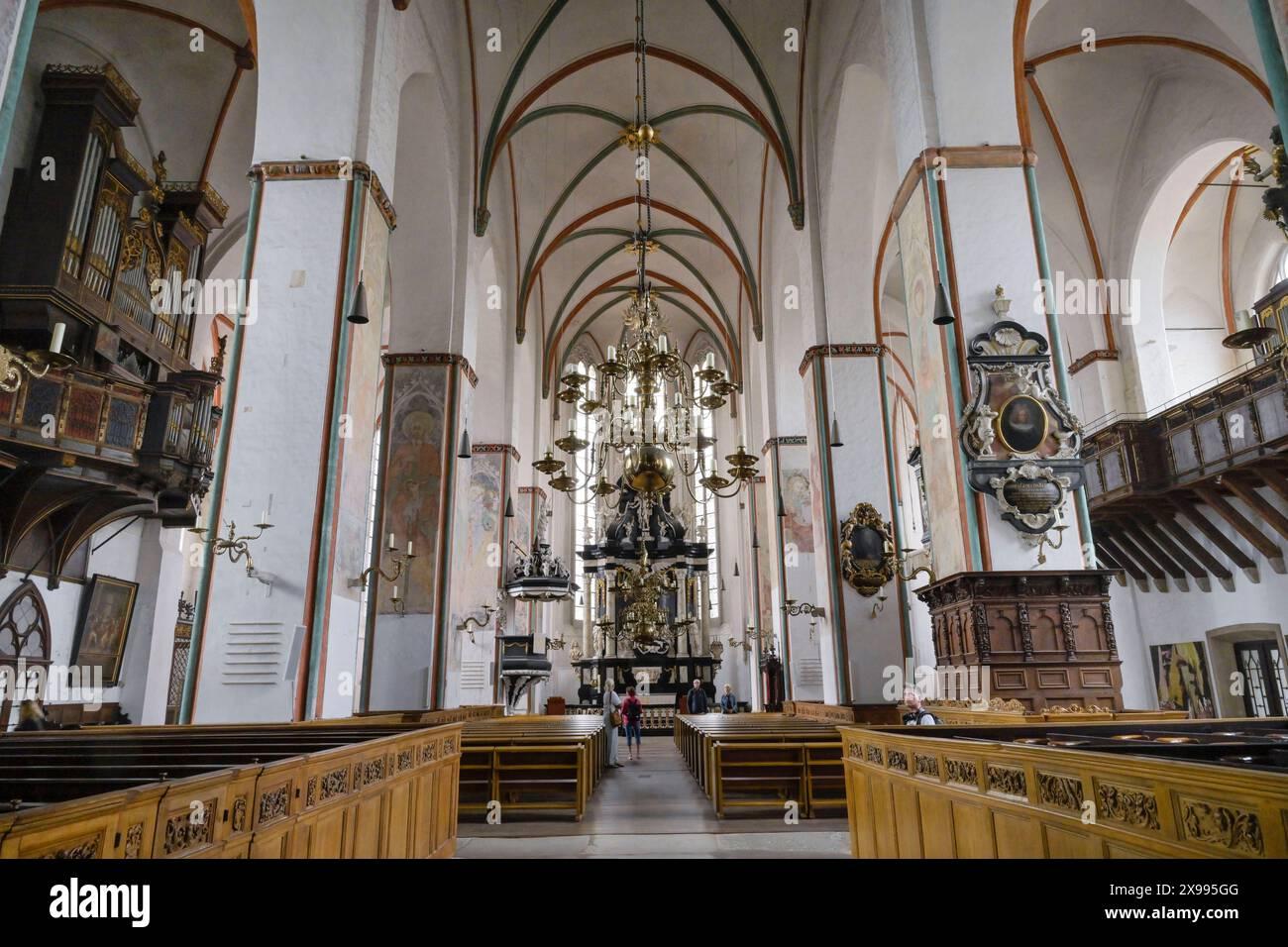
4+
images
Jakobikirche church Address
Jakobistraße 1, 23552 Lübeck, Germany
Jakobikirche church Opening Hours
- 🕒 Monday-Saturday: 10 AM - 5 PM
- 🕒 Sunday: 12 PM - 4 PM
- 🕒 Closed on major German holidays
How to get to Jakobikirche church
- 🚗 By car: Parking available near Jakobistraße
- 🚌 Public transport: Bus lines 2, 9, and 16 stop nearby
- 🚕 Rideshare: Uber and local taxi services accessible
What is Jakobikirche church known for?
- 14th-century Gothic brick church dating back to 1334
- Features a towering clock tower representing medieval architectural design
- Houses a remarkable 16th-century organ with historical significance
- Important evangelical church in Lübeck's historic city center
- Exemplary representation of North German brick Gothic architectural style
What is Jakobikirche church in Lubeck?
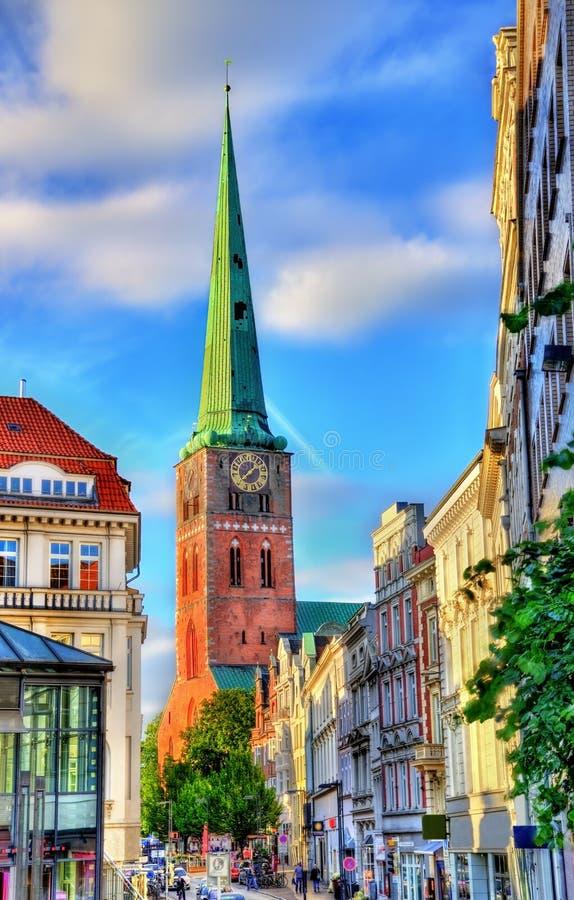
Tucked away in the historic center of Lübeck, Jakobikirche stands as a testament to medieval German architectural prowess. This Gothic brick church draws history buffs and architecture enthusiasts from across Europe, attracting thousands of visitors each year who want to experience a genuine slice of northern German religious heritage. The church's red-brick exterior and towering clock tower create a dramatic silhouette against Lübeck's skyline, making it an instant photography magnet for travelers. Dating back to 1334, Jakobikirche isn't just another old building - it's a living museum of architectural evolution, showcasing the intricate North German Gothic style that defined medieval construction techniques. Its 16th-century organ remains a highlight for music lovers and cultural historians, representing a remarkable preservation of acoustic craftsmanship from centuries past. While many tourists breeze through Lübeck's old town, those who stop at Jakobikirche get a profound glimpse into the city's religious and architectural narrative. The church serves as an active evangelical congregation space, bridging historical preservation with contemporary spiritual practice, which makes it more than just a static monument - it's a breathing piece of Lübeck's cultural identity.
Top things to do at Jakobikirche church
- Climb the soaring clock tower for panoramic views of Lübeck's historic city center, offering a unique perspective on medieval urban architecture
- Attend a live organ concert featuring the church's remarkable 16th-century instrument, showcasing centuries-old musical craftsmanship
- Explore the intricate Gothic brick architecture, examining detailed medieval construction techniques and architectural elements throughout the church
- Join a guided historical tour that explains the church's role in Lübeck's evangelical Christian community and its significance during different historical periods
- Visit the church's small museum area displaying historical artifacts, religious texts, and explanations of the church's 700-year architectural evolution
- Participate in occasional community events and services that offer insights into contemporary religious practices in a historic North German setting
History of Jakobikirche church
- 1334: Original church construction begins in the medieval period
- 1351: Initial brick structure completed in classic North German Gothic architectural style
- 1462: Major renovation and expansion of the church building
- 1531: 16th-century organ installed, becoming a significant musical artifact
- 1942: Partially damaged during World War II bombing of Lübeck
- 1950-1960: Comprehensive restoration work to rebuild and preserve the church
- 1987: Designated as a significant historical monument in Lübeck's cultural heritage
Cultural Significance
Jakobikirche represents more than a religious space - it's a symbol of Lübeck's medieval architectural prowess and evangelical Christian heritage. The church embodies the city's resilience, having survived multiple historical challenges including war damage. As an active congregation and historical landmark, it connects contemporary community life with centuries of local tradition, serving both spiritual and cultural purposes for Lübeck's residents and visitors.
Tips for Visitors
- Wear comfortable walking shoes for exploring the church interior
- Photography is permitted, but avoid using flash near historical artifacts
- Check website for potential service times that might restrict tourist access
- Consider joining a guided tour for deeper historical insights
- Bring a light jacket, as church interiors can be cooler than outside temperature
- Donation of 3-5 euros recommended for church maintenance
What are some interesting facts about Jakobikirche church?
- During the infamous Lübeck bombing in World War II, the church survived with significant damage, becoming a powerful symbol of the city's resilience
- The 16th-century organ is considered one of the most significant historical musical instruments in northern Germany, with pipes that have survived multiple restoration attempts
- Local historians note that the church's brick construction technique was so advanced that it influenced Gothic architectural designs across entire Baltic Sea regions