
Discover Günter Grass House: Where Literature Meets Art in Lübeck
August 03, 2025

I spent nearly three hours exploring the intricate exhibits, fascinated by Grass's unique perspective as both a writer and visual artist. The museum's proximity to Lübeck's historic city center makes it easy to combine with other cultural attractions in the area.
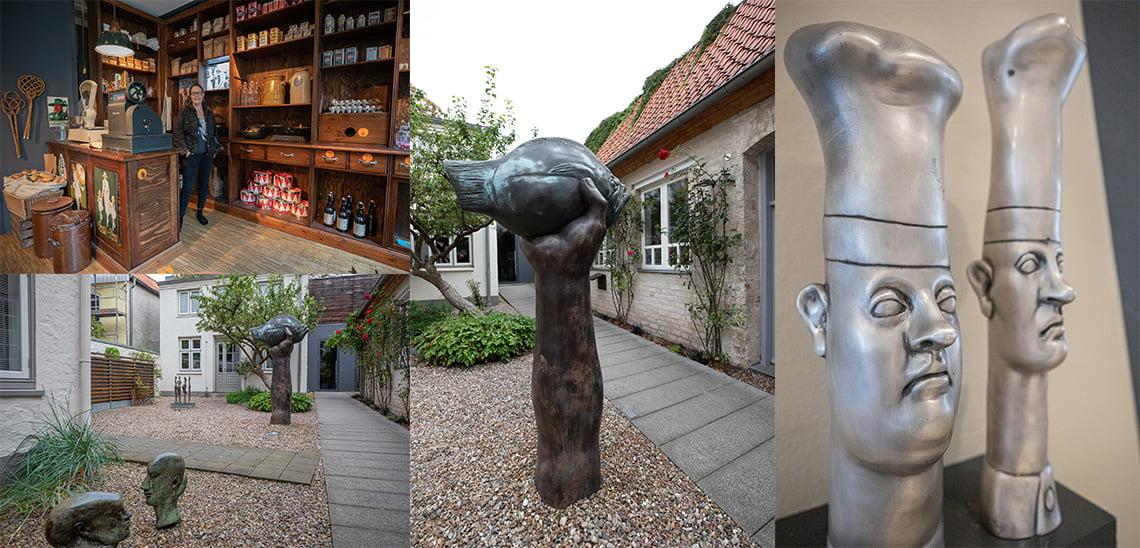
Step into the creative world of Nobel laureate Günter Grass, where literature and art collide in unexpected ways. Discover a museum that transforms traditional storytelling through bronze sculptures of rats, snails, and eels that leap from the pages of his most famous works.
Need-to-Know Info Before Visiting Guenter Grass House



5+
images
Guenter Grass House Address
Glockengießerstraße 21, 23552 Lübeck, Germany
Guenter Grass House Opening Hours
- 🕒 Tuesday-Sunday: 10 AM - 5 PM
- 🕒 Closed on Mondays
- 🕒 Holidays: Check website for special hours
How to get to Guenter Grass House
- 🚗 By car: Parking available nearby in city center
- 🚌 Public transport: Bus lines 11 and 12 stop close to museum
- 🚕 Rideshare: Uber and local taxi services accessible
What is Guenter Grass House known for?
- Dedicated museum showcasing Nobel laureate Günter Grass's literary and visual art works
- Houses over 1,100 original drawings, lithographs, watercolors, and manuscripts
- Explores interdisciplinary connections between literature and visual arts
- Features exhibitions highlighting Grass's creative processes and controversial life
- Presents works by multi-talented artists like Goethe, Hesse, and John Lennon
What is Guenter Grass House in Lubeck?
The Guenter Grass House stands as a landmark museum dedicated to the life and work of Nobel Prize-winning author Günter Grass, located in the historic Hanseatic city of Lübeck. Travelers and literature enthusiasts seek out this museum to explore the multifaceted world of a writer who was equally passionate about visual arts. Unlike traditional literary museums, this space showcases Grass's creative journey through more than 1,100 original artworks, including drawings, lithographs, and manuscripts. Visitors can trace the artist's unique storytelling through sculptures depicting recurring motifs like flounders, rats, snails, and eels - symbols that populated his famous novels like The Tin Drum. The museum attracts international tourists and German literature fans who want to understand Grass's complex artistic universe, offering insights into his writing and graphic arts. Photography is permitted in most exhibit areas, making it a popular spot for culture-focused travelers wanting to capture the essence of this significant German literary figure. A small but well-curated bookshop provides additional context, allowing visitors to purchase books and prints that complement the museum experience.
Top things to do at Guenter Grass House
- View the permanent exhibition 'Hitting the Imprecise With Precision' to explore Grass's creative process across literature and visual arts
- Examine original manuscripts, drawings, and lithographs from Grass's collection of over 1,100 artworks
- Check out bronze sculptures depicting Grass's signature motifs - flounders, rats, snails, and eels
- Browse the small bookshop and find rare publications, including a copy of the first typewritten page of The Tin Drum
- Explore temporary exhibitions featuring multi-disciplinary artists like Goethe, Hesse, and John Lennon
- Learn about Grass's controversial political statements and their impact on German literature through interactive displays
Tickets and Pricing
Adult tickets cost around 9 euros, with reduced rates for students and seniors at 6 euros. Children under 18 enter free. Online tickets can be purchased through the museum's official website, which often offers slight discounts compared to on-site pricing. Group rates are available for parties of 10 or more visitors.
History of Guenter Grass House
- 1986: Günter Grass begins living in the Hanseatic City of Lübeck
- 1999: Grass receives Nobel Prize while residing near Lübeck
- Early 2000s: Museum established as an independent institution showcasing Grass's literary and visual art
- 2015: Günter Grass passes away in Lübeck, leaving behind a significant cultural legacy
- Present Day: Museum continues to preserve and exhibit Grass's multidisciplinary artistic works
Cultural Significance
The Guenter Grass House represents more than a museum - it's a testament to German literary and artistic innovation. Grass embodied the post-war intellectual who challenged social narratives through multiple creative mediums. The museum symbolizes Lübeck's commitment to preserving complex cultural narratives and honoring artists who transcend traditional boundaries.
Tips for Visitors
- Allow at least 2 hours for a comprehensive museum experience
- Photography is permitted in most exhibit areas
- The museum bookshop offers unique souvenirs and publications
- English audio guides are available for international visitors
- Wear comfortable walking shoes as exhibits require significant walking
- Check the museum website for temporary exhibitions before visiting
What are some interesting facts about Guenter Grass House?
- The museum contains over 1,100 original artworks by Grass, representing his dual talents as a writer and visual artist - a collection few people know exists
- Grass's recurring symbolic animals - flounders, rats, snails, and eels - appear throughout the museum's exhibits as personal artistic signatures
- The museum regularly hosts exhibitions featuring multi-disciplinary artists, including unexpected names like John Lennon, making it more than just a literary museum