European Hansemuseum: Uncover the Secrets of Medieval Trading
July 14, 2025

I was completely absorbed by the interactive exhibits that transported me through medieval trading routes, spending nearly three hours exploring every detail of Hanseatic merchant life. The museum's digital recreations and original artifacts made historical trading networks come alive in a way I've never experienced before.
Uncover the secret world of medieval European trade where merchants shaped global economics centuries before globalization. Step into a museum that turns dusty history into a thrilling, interactive journey through the powerful Hanseatic League's commercial networks.
Need-to-Know Info Before Visiting European Hansemuseum
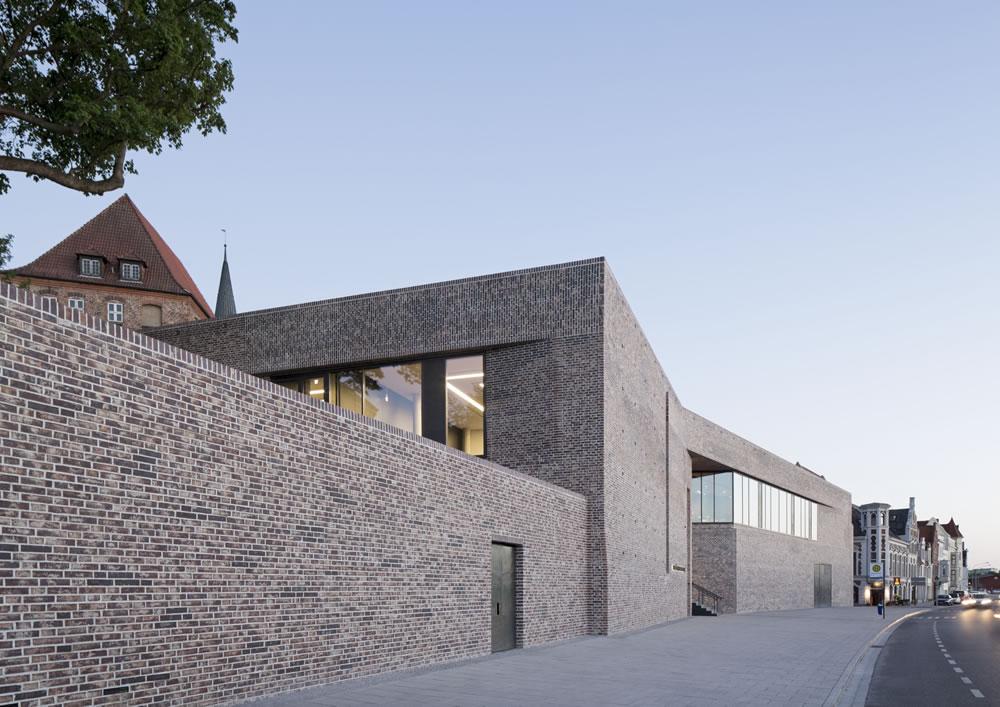
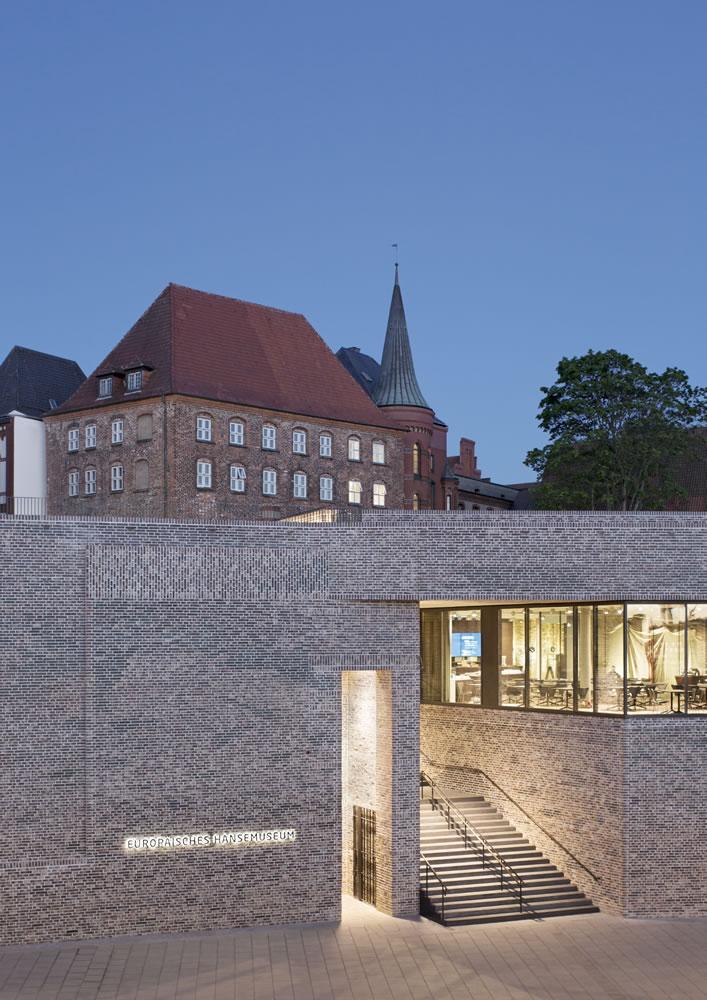
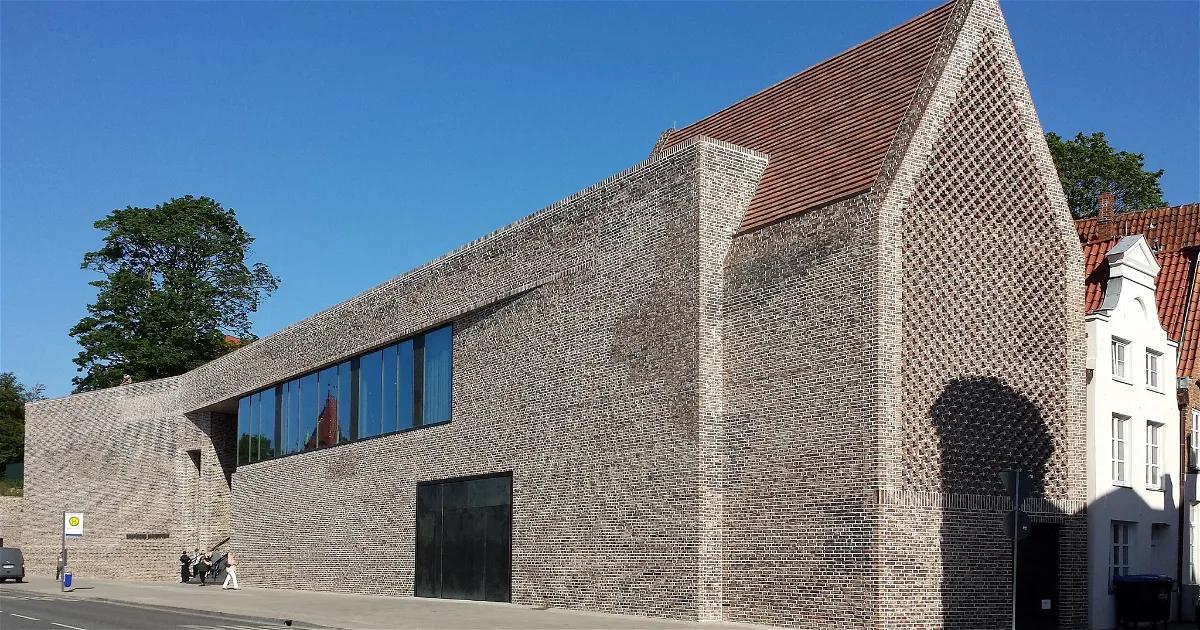
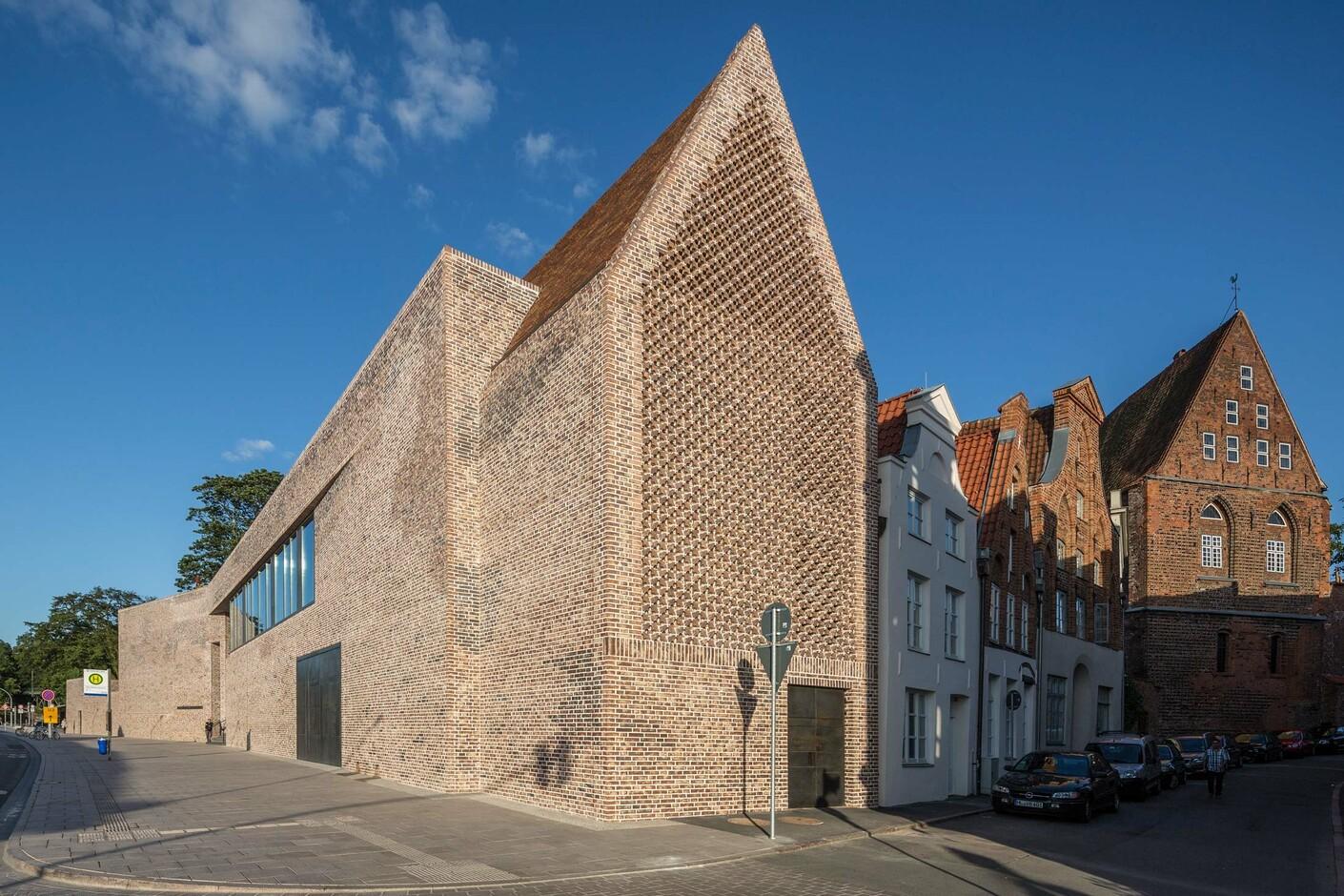
4+
images
European Hansemuseum Address
An der Untertrave 1, 23552 Lübeck, Germany
European Hansemuseum Opening Hours
- 🕒 Tuesday-Sunday: 10:00 AM - 6:00 PM
- 🕒 Closed on Mondays
- 🕒 Special holiday hours may vary
How to get to European Hansemuseum
- 🚗 By car: Parking available near museum in city center
- 🚌 Public transport: Bus lines 11, 12, 15 stop nearby
- 🚕 Rideshare: Uber and local taxi services accessible
What is European Hansemuseum known for?
- World's largest museum exclusively dedicated to Hanseatic League history
- Interactive exhibits showcasing medieval trade routes through Novgorod, Lübeck, Bruges, Bergen, and London
- Combines staged historical scenes with original artifacts and cutting-edge museum technology
- Offers immersive experience exploring medieval merchant trading networks
- Provides deep insights into commercial and cultural exchanges of the Hanseatic period
What is European Hansemuseum in Lubeck?
Located in the historic city of Lübeck, the European Hansemuseum stands as a gateway to medieval trading history, drawing thousands of international travelers each year. This landmark museum transforms historical storytelling through state-of-the-art technology and immersive exhibits that bring the Hanseatic League's complex trading networks to life. Travelers can walk through meticulously recreated trading scenes from cities like Novgorod and Bergen, experiencing the economic landscape of medieval Europe through interactive displays and original artifacts. The museum's scale is impressive, spanning multiple exhibition halls that chronicle the rise of merchant cultures across northern European cities. While many history museums can feel dry, this landmark uses cutting-edge multimedia presentations to make medieval trade routes feel immediate and engaging. Tourists spend an average of 2-3 hours exploring its comprehensive exhibits, making it a top cultural destination for history buffs and casual travelers alike. The museum's location in Lübeck, itself a UNESCO World Heritage site, adds extra context to the rich trading narratives on display. International visitors particularly appreciate how the exhibits explain complex economic systems through personal stories and tangible historical objects.
Top things to do at European Hansemuseum
- Explore the interactive digital map tracing Hanseatic trade routes across medieval European cities
- Walk through full-scale recreated medieval merchant trading scenes from Novgorod and Bergen
- Engage with multimedia exhibits demonstrating medieval commercial communication and navigation techniques
- Examine original merchant artifacts, trading documents, and nautical instruments from the Hanseatic period
- Participate in hands-on historical workshops about medieval trading practices and economic systems
- Take a guided tour explaining the complex economic networks of the Hanseatic League
- View rare historical maps and navigational charts showing medieval European commercial connections
- Experience immersive audio-visual presentations about merchant life in different Hanseatic cities
- Explore the museum's collection of preserved medieval trading contracts and commercial correspondence
Tickets for European Hansemuseum
Adult tickets cost €14, with reduced rates for students and seniors at €10. Children under 18 enter free. Online ticket booking is recommended during peak tourist seasons to avoid queues. The museum offers combination tickets with other Lübeck historical sites, providing good value for cultural enthusiasts. Group discounts are available for parties of 10 or more visitors.
Best Time to Visit
The European Hansemuseum is best visited during shoulder seasons (April-May and September-October) when Lübeck experiences mild temperatures and fewer tourist crowds. Summer months (June-August) can be busier but offer longer daylight hours. Winter visits provide a quieter museum experience but may have reduced hours. Weekday mornings typically offer the most peaceful exploration time.
History of European Hansemuseum
- 2005: Initial concept developed to create a comprehensive museum dedicated to Hanseatic League history
- 2010: Construction begins in Lübeck, chosen for its historical significance in Hanseatic trading networks
- 2015: Official opening of the museum as the world's largest Hanseatic history institution
- 2017: Received international museum design and innovation awards for interactive exhibits
- 2020: Implemented digital enhancements and virtual tour technologies
Tips for Visitors
- Allow 2-3 hours for comprehensive museum exploration
- Free audio guides available in multiple languages
- Photography permitted in most exhibition areas
- Comfortable walking shoes recommended
- Museum cafe offers traditional Hanseatic regional snacks
- Wheelchair accessible with elevator access to all floors
- Luggage storage available at reception
Cultural Significance
The European Hansemuseum represents more than a historical exhibit - it's a tribute to Lübeck's pivotal role in medieval European trade networks. By showcasing the Hanseatic League's complex commercial systems, the museum highlights how small trading cities shaped global economic interactions long before modern globalization. It serves as an educational center preserving the intellectual and commercial heritage of northern European merchant cultures.
What are some interesting facts about European Hansemuseum?
- The museum's digital technology allows visitors to virtually 'trade' using replica medieval merchant tools and currency
- Some original trading documents in the museum date back to the 13th century and are so fragile they're displayed using special preservation techniques
- The museum's layout is deliberately designed to mimic the interconnected trading routes of the Hanseatic League, with each exhibition space representing a different medieval trading city